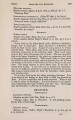
| OCR Text |
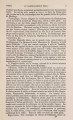
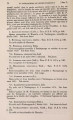
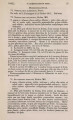
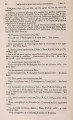
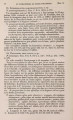
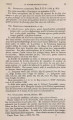
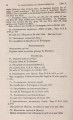
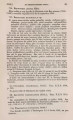
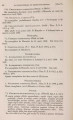
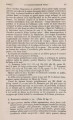
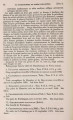
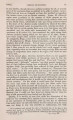
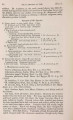
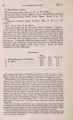
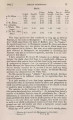
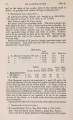
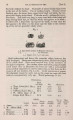
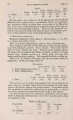
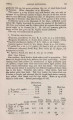
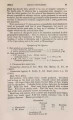
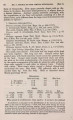
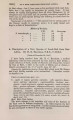
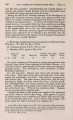
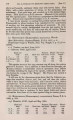
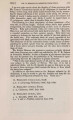
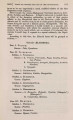
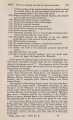
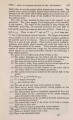
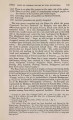
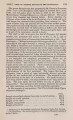
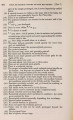
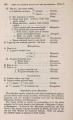
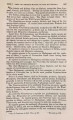
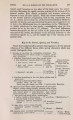
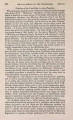
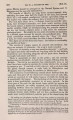
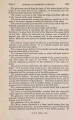
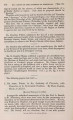
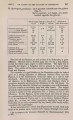
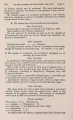
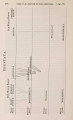
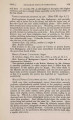
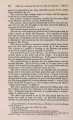
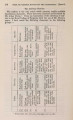
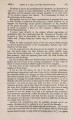
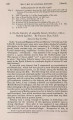
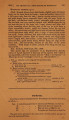
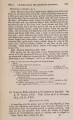
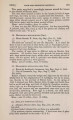
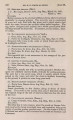
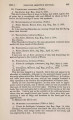
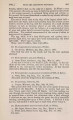
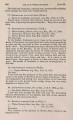
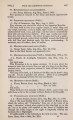
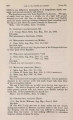
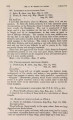
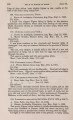
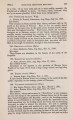
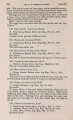
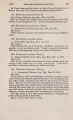
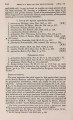
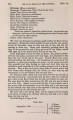
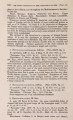
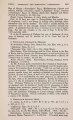
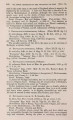
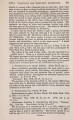
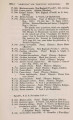
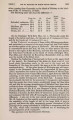
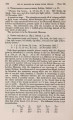
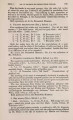
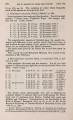
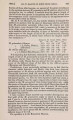
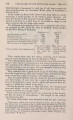
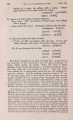
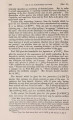
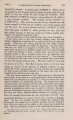
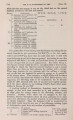
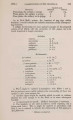
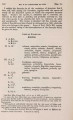
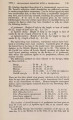
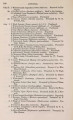
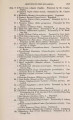
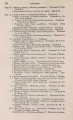
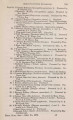
Show 742 MR. P. H. CARPENTER ON THE [Dec. 19, while the first arm-syzygy is not on the third, but on the second brachial, or between the first and second. Group. Actinometra. 3rd br. Sy. 2nd br. Sy. 1-2 br. Sy. (3 distichals and 3 palmars, the axillaries syzygies parvicirra. 3 distichals and 2 palmars, the I,\ axillaries syzygies multiradiata. A. 3 distichals, the axillary a syzygy ; and 2 palmars united by . sy^gy • • B- '2 distichals, the axillary a syzygy ; and 2 palmars united by syzygy- II. \ 2 distichals and 2 palmars, the axillaries syzygies. 2 distichals and 3 palmars, the axillaries syzygies. ^2 distichals united by syzygy; 2 palmars united by syzygy. yjj J 2 distichals united by syzygy; ' j 2 palmars, the axillary a syzygy. | 2 distichals united by syzygy; (^ 3 palmars, the axillary a syzygy. Now, unless Rule 3 were known, how should any one, taking the corrected formula for Act. parvicirra (3A'D(P)-), or for Act. multiradiata (2A'DP(P')jr), know that he could only have to deal with types belonging to one of the first two groups? And unless he were also acquainted with Rule 7, he could not know that Group II. represents a series of types that are as yet undiscovered. But within Group I. the chances of error would be two to one unless Rule 5 were known, according to which the third (or second) brachial is only a syzygy when there are three (or two) palmars, the axillary with a syzygy. There may, however, be two palmars with the axillary a syzygy, and yet the first two brachials be united by syzygy, as in species A of the scheme above. This exception, to which others will doubtless soon be added, also shows the weakness of Prof. Bell's system, even supposing the following rules to be understood; for its formula would be 1 DP, identical with that of another more regular species, B of the above scheme, to say nothing of half a dozen other possibilities in Groups II. and III. A working method of formulation, therefore, must be elastic enough to deal with such anomalies as A, and indicate exactly on what joint the syzygy comes in the distichals, palmars, and brachials. Further, when there are no syzygies in the ray-divisions, whether throughout them all (Ant. palmata) or in some only (Act. alternans), the number of joints in each division should be clearly indicated. Thus the formula 3 A'D, as understood by Prof. Bell, would stand for any one of the following existing types of Actinometra, apart from any number of possibilities. Act. trichoptera... N o palmars. a. 1 palmar (axillary) (3. 1 palmar, and 1 axillary beyond it All with a syzygy in the distichal, 2 palmars. I but not in any Act. multiflda ... 2 palmars, and another similar division.) otlaer axiuary. |