| OCR Text |
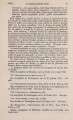
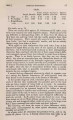
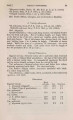
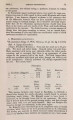
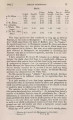
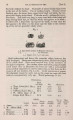
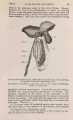
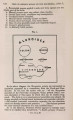
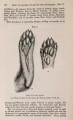
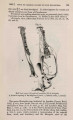
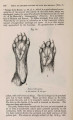
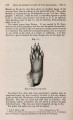
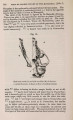
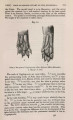
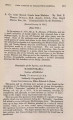
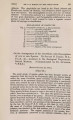
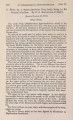
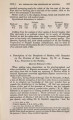
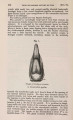
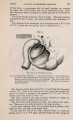
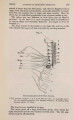
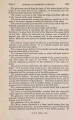
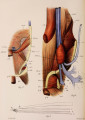
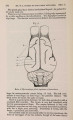
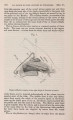
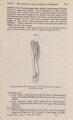
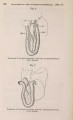
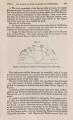
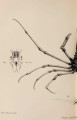
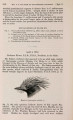
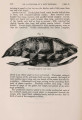
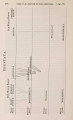
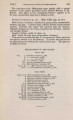
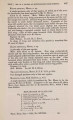
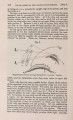
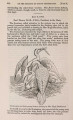
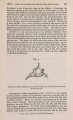
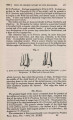
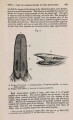
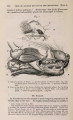
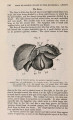
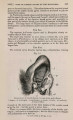
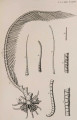
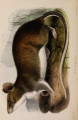
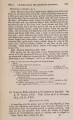
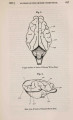
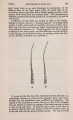
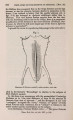
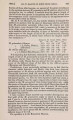
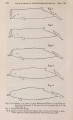
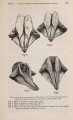
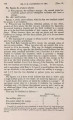
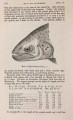
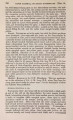
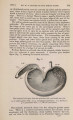
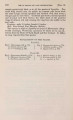
Show 94 MR. W. A. FORBES ON THE ANATOMY [Jan. 3, 5. Note on the Gall-bladder, and some other Points in the Anatomy of the Toucans and Barbets (Capitonidce). By W . A. FORBES, B.A., Prosector to the Society. [Eeceived December 30, 1881.] The statement has been made, and copied \ that a gall-bladder is absent in the Toucans. The latest writer on the visceral anatomy of birds, Dr. Hans Gadow 3, describing the gall-bladder of the " Coccy-gomorphae," says :-"Rhamphastus compensirt das Fehlen der Blase durch einen sehr langen (9 cm.) und weiten Ductus Choledochus " (I. c. p. 70). On dissecting, therefore, some months ago a fresh specimen of Pteroglossus wiedi, I was considerably surprised to find a peculiarly long aud tubular gall-bladder, which lay superficially, covering the other abdominal viscera and extending far down in the abdominal cavity, its fundus nearly reaching the cloacal region of the intestine. M y attention having been thus called to the point, I have since, whenever opportunity has offered, always looked for this viscus, and have now ascertained its presence in specimens of Rhamphastos carinatus, vitellinus, and dicolorus, Pteroglossus wiedi (3), Selenidera maculirostris, and Aulacorhamphus prasinus. The annexed drawing (fig., p. 95) will show its general form and relations, as seen in a fresh specimen of Rhamphastos dicolorus. In the specimen figured the total length of the gall-bladder was not less than 4*15 inches. The cystic duct originated *85 inch from the liver, and was 1*7 inch long. In other cases the duct arises much nearer the portal fissure. Its presence, therefore, in all Toucans is nearly certain 3. It is also present, of exactly the same general form, and with the same relations, in all the Capitoninse I have examined as regards this point, namely Megalcema virens (a fresh specimen), M.franklini, and Xantholoema rosea. Its presence in Indicator in a similar form is almost certain, from the intimate relationship of that genus to the Barbets and Toucans. Unfortunately I can give no exact information on this point, the only specimen I have of au Indicator having been eviscerated. The only other family of birds in which, so far as I am aware, the gall-bladder assumes this peculiar vermiform shape, and lies 1 Owen, Anat. Vert. ii. p. 177; Macalister, Morph. Vert. p. 194; Crisp, P.Z. S. 1862, p. 137. 2 " Versuch ein. vergleich. Anatomie des Verdauungssystemes d. Vogel," Jen. Zeitschr. xiii. n. F. vi. 3 It is but due to the late Prof. Garrod to say that he also had noted this peculiar gall-bladder, aptly characterized by him as " intestiniform," in several Toucans dissected by him, including E. Cuvieri and carinatus and P. wiedi. It is also, I find, correctly described by Meckel ('Traite general,' & c , Paris, 1838, t. viii. p. 289), as follows : - " L a conformation de la vesicule est extremement curieuse chez le toucan (Rarnphastos). Elle y est d'une longueur si enorme, qu'elle occupe la cavite abdominale toute entiere: elle est tres retrecie, et res-eemble plutot a un caecum qu'a une vesicule." I made m y first observations unaware of either of the above facts. |