| OCR Text |
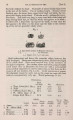
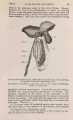
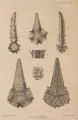
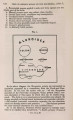
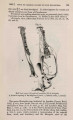
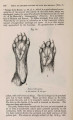
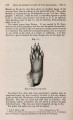
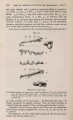
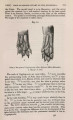
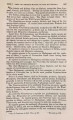
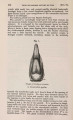
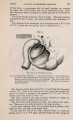
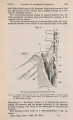
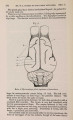
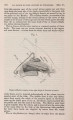
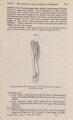
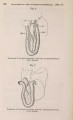
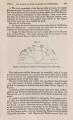
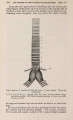
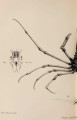
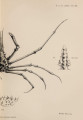
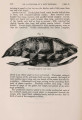
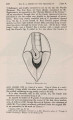
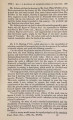
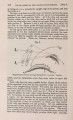
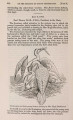
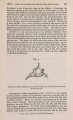
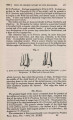
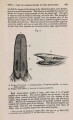
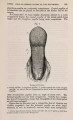
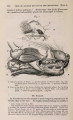
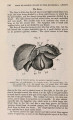
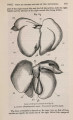
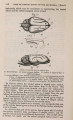
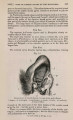
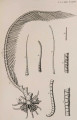
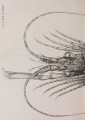
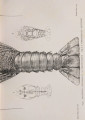
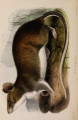
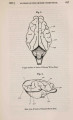
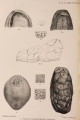
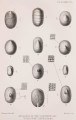
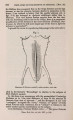
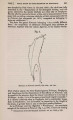
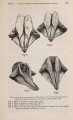
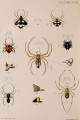
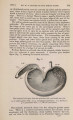
Show 1882.] CRUSTACEANS FROM MAURITIUS. 543 chitinous and membranaceous portions of this segment, situate one in the median line and one on each lateral margin; the lateral margins of the second to sixth postabdominal segments are divided into several somewhat triangulate lobes or teeth. The eyes are short, and in a dorsal view are completely contained within the orbits ; the antennules are short, and terminate in two flagella, whereof one is much thicker than the other. The large leaf-like external processes of the antepenultimate joints of the antennae terminate in a small spine at their antero-external angles, behind which are two teeth on their outer margins, and have a small tuberculiform tooth on their inner margins; the terminal antennal joints are somewhat obtusely angulated at the distal extremity, and have their margins minutely crenulated or serrated; the outer maxillipedes are small, with the ischium as long as the merus joints. The legs are short, concealed beneath the carapace, with the margins of the joints angulated ; the dactyli of all are strong, slightly curved and acute; the antepenultimate joints have a short spine at the distal ends of their upper margins ; the coxal joints of the fifth legs bear a strong spine. Colour (of dried exuvia) reddish-yellow,with darker reddish markings on the sides of the branchial regions of the carapace and of the postabdomen, on the inner margins of the antepenultimate joints of the antenna? and of the legs. Length of the body about 1 inch 3 lines (32 mm.), greatest breadth about 8| lines (18 mm.). Three cast shells are in the collection. From the Mediterranean Pseudibacus ver any i, Guerin1, this species is distinguished by the very different tuberculation of the carapace, and the emargination of its lateral margins, the closed median fissure of the rostrum, &c. These characters will also suffice to distinguish our species from the Californian form described by Prof. S. I. Smith2 as Evibacus princeps, but which I think can scarcely be gene-rically distinct from Pseudibacus. P. pfefferi is most nearly allied to an Atlantic species described by Dr. G. Pfeffer in his memoir already referred to3 as Pseudibacus gerstaeckeri, which, however (as it would appear from the description), has the carinae of the carapace differently disposed, and has no median depression on the cardiac region, but in place thereof a continuous median keel ; moreover no mention is made of any spines at the distal ends of the antepenultimate joints of the ambulatory legs. I must therefore consider our species distinct from P. gerstaeckeri; and I have much pleasure in associating with it the name of the author of that important memoir, which is of much value to the student of the classification of this group. EXPLANATION OF PLATE XXXVI. Fig. 1. Palinurus longimanus, var. mauritianus (p. 540) male adult, nat. size. 2. Pseudibacus pfefferi, p. 542, xl^diam. 3. Inferior view of the same, X 1 ^ diam. 1 Rev. et Mag. de Zoologie, vii. pp. 139, 140, pl. v. (1855). 2 Amer. Journ. Sci. and Arts, xiii. p. 118 (1866). 3 Verhandl. naturwissensch. Vereins Hamburg-Altona, p. 51 (1881). |