| OCR Text |
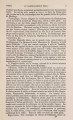
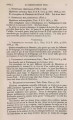
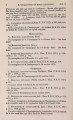
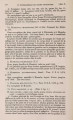
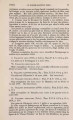
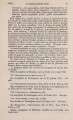
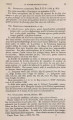
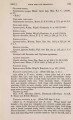
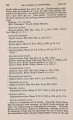
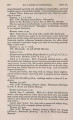
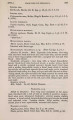
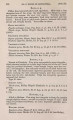
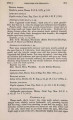
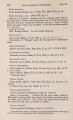
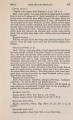
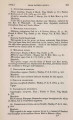
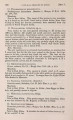
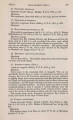
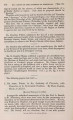
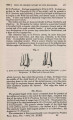
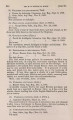
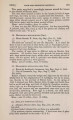
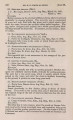
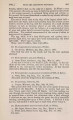
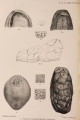
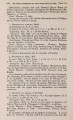
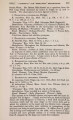
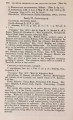
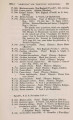
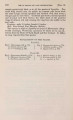
Show 608 MR. E. w. W H I T E O N BIRDS [June 20, which is very difficult to distinguish, is of insignificant squat, and covered exteriorly with lichens. The breeding-season lasts from September to January. The eggs, of which there are three in a clutch, are of a light buff ground blotched over with dull blue, on which occur brown and blackish spots, the whole markings forming a thickened band extending round the egg and just above the centre towards the blunt end. Meas.: axis 18 millim., diam. 14 millim. 88. CONTOPUS BRACHYTARSUS, Scl. cf 2 • Campo Santo, Salta, Arg. Rep., Nov. 29, 1880. Iris sepia. Not uncommon in the forests of Salta. 89. MYIARCHUS TYRANNULUS (Miiller). 2 . Oran, Salta, Arg. Rep., Nov. 18, 1880. Iris dark sepia. This species seems to take the place here of the Pitanyus bellicosus in other parts of the Republic. 90. TYRANNUS MELANCHOLICUS, Vieill. cf. Oran, Salta, Arg. Rep., Nov. 18, 1880. 2. „ „ Nov. 13, 1880. Iris dark. I found this bird abundant in Oran. 91. MILVULUS TYRANNUS (Linn.). cf. Salta, Arg. Rep., Oct. 23, 1880. cf. Flores, B. Aires, Arg. Rep., Feb. 2, 1881 (immature). 2 • Salta, Arg. Rep., Oct. 23, 1880. Iris dark. This is a familiar bird throughout the Republic ; but the specimens obtained in the extreme north had much longer tails than those of the metropolitan district. The nest is built high up in lofty trees, having four eggs in a clutch. The shell is elongated and rather sharply pointed, with a white ground, spotted with rich brown, more thickly towards the blunt end ; in fact pointwards it is almost free. Meas. : axis 24 millim., diam. 17 millim. 92. CHIROXIPHIA CAUDATA (Shaw). cf 2 • San Javier, Misiones, Arg. Rep., June 6, 1881. Iris dark. Of this bird I only saw two or three males and one female, during my residence in Misiones, and shot them in the forest near the Uruguay; but the female was very difficult to distinguish in colour from the leaves. A very striking difference in coloration, however, obtains between the sexes. |