| OCR Text |
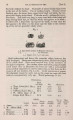
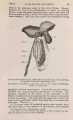
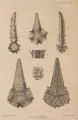
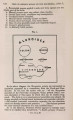
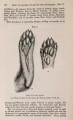
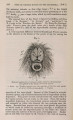
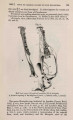
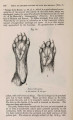
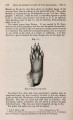
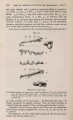
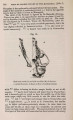
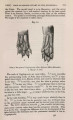
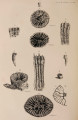
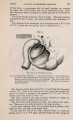
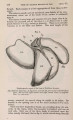
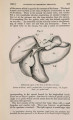
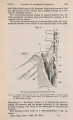
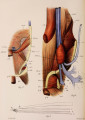
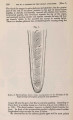
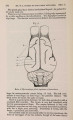
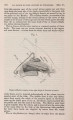
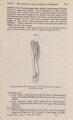
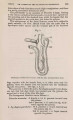
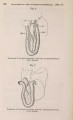
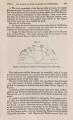
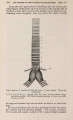
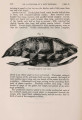
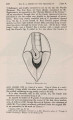
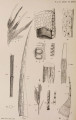
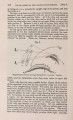
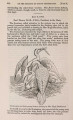
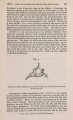
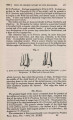
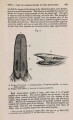
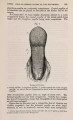
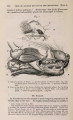
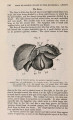
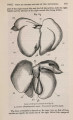
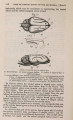
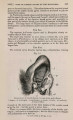
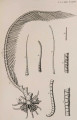
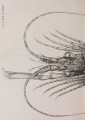
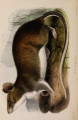
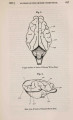
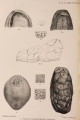
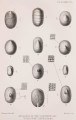
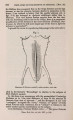
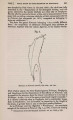
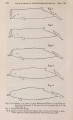
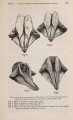
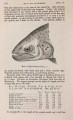
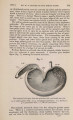
Show 1882.] MR. W. A. FORBES ON THE GREAT ANTEATER. 301 bones; running then forwards and outwards, they pass beneath and to the outside of (in a sternal view) the conjoined ducts, and then ascend to fan out and form the muscular bulb. The more anterior of these fibres are inserted into the internal and upper part of the combined ducts, and cease there. The most posterior, on the contrary, completely encircle the ducts, running inwards over the ducts, and then, recurving on themselves, ascend on the deep aspect of the ducts, to be inserted on the stylohyal bone for the greater part of its length, not, however, extending to either of its extremities. Along the anterior (free) border of the ascending part, at the point where it is in contact with the ducts and the deep part of their muscular ring, is developed a strong tendinous edge (s.h. m. t), the " commissural tendon " of Owen. The muscular fibres inserted on this and attached to the stylohyal (ceratohyal of Owen's nomenclature) are described by that author as the " cerato-hyoideus," whilst Pouchet more correctly applies to it the name of "stylo-hyoideus," the rest of the muscular arrangement here described forming, as already stated, the "constrictor salivaris " of both authors. It appears to me that the whole muscle may be more correctly considered as the stylo-hyoideus, which has developed this remarkable course round the submaxillary ducts in order to aid the ejaculation of the saliva therein contained by the constriction, on contraction of the muscle, of their walls between the circularly-disposed fibres surrounding them and the tendon developed on its anterior margin. In the genus Tamandua1 (Plate XV. fig. 2) there is no special muscular envelope developed round the ducts in this position. The most posterior fibres of the mylo-hyoideus (m.h') arise from the posterior end of the stylo-hyal bone, running inwards and forwards, and blending internally with the genio-hyoid. To this point also run backwards and inwards the fibres of a narrow flattened muscle (s.h. m), which crosses the hyoid origin of tbe mylo-hyoid superficially, and, as it arises from the stylo-hyal bone, must be considered to represent a stylo-hyoideus. At the point where it meets the genio-hyoid and mylo-hyoid, all three muscles become closely connected together, the stylo-hyoid developing here an anterior tendinous edge (s.h. m. t). Between this tendon and the conjoined mylo-hyoid and genio-hyoid run the three ducts of the submaxillary gland, so that contraction of these muscles here also serves a purpose similar to that produced by the more specialized arrangement found in the larger species. [P.S. July 13, 1882.-I have found the disposition of the salivary ducts and the arrangement of the stylo-hyoideus muscles exactly the same as those here described in a third specimen of Myrmecophaga just dead.-W. A. F.] EXPLANATION OF PLATE XV. Fig. 1. Dissection of the left suprahyoidean region of Myrmecophaga jubata, to shew the course and relations of the stylo-hyoideus muscle. 1 Cf. Duvernoy, Mem. Strasb. 1820, "Memoire sur la langue" &c, p. 3. |