| OCR Text |
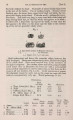
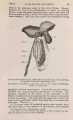
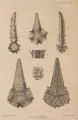
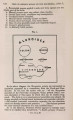
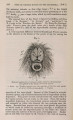
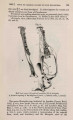
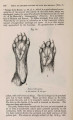
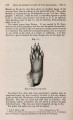
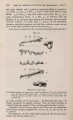
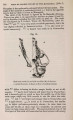
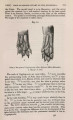
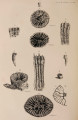
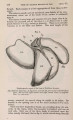
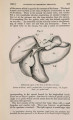
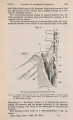
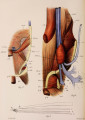
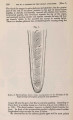
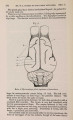
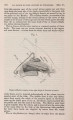
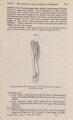
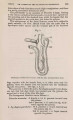
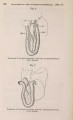
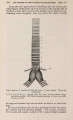
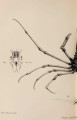
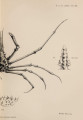
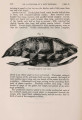
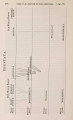
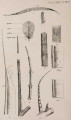
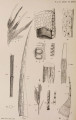
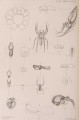
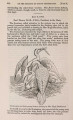
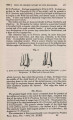
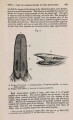
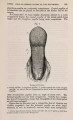
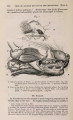
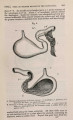
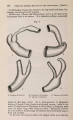
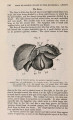
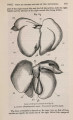
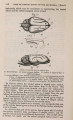
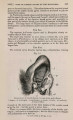
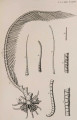
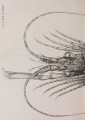
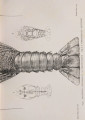
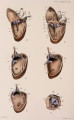
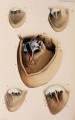
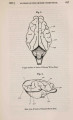
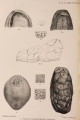
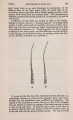
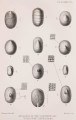
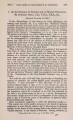
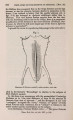
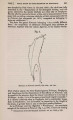
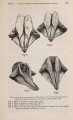
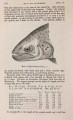
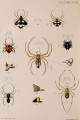
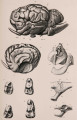
Show 536 MR. F. DAY ON ANGUILLA KIENERI. [June 6, EXPLANATION OF PLATE XXXV. Fig. 1. Aclinometra annulata, showing the disk with its cirri, the mode of division of the arms, and one arm along the whole of its uninjured extent. 2. View of part (fig. 1, x) of the dorsal surface of the arm. 2 a. View of dorsal surface further out (fig. 1, y). 2 b. View of ditto, near the tip: all X 4. 3. The first pinnule (of 50 joints), X 3. 3 a. A pinnule (of 21 joints) near the middle of the arm, X 6. 3 b. A pinnule (of 26 joints) from near the end of the arm, X 6. The hooks on the free ends of the later pinnules are shown. 4. A cirrus, X 6. 4. On the Identity of Anguilla kieneri, Giinther, with Gadoid Lycodes. By FRANCIS DAY, F.Z.S. [Received M a y 26, 1882.] In the' Annals and Magazine of Natural History,' 18/4 (xiii. pp. 138, 139), Dr. Giinther gave some notes upon fishes obtained at considerable depths in the North Atlantic, remarking (p. 139) that "a small fourth bottle contains only one specimen ; it is labelled, in Mr. Couch's handwriting, 'Ophidium-eel-like, deep sea-18G9. H.M.S. 'Porcupine.' 180 fathoms.' This specimen is the young of Anguilla kieneri, a species hitherto known from the Mediterranean only." The capture of this so-called "eel" is part of the evidence adduced to prove " that fishes hitherto known from more southern latitudes occur in the North Atlantic at a moderate depth (of between 80 and 200 fathoms)." It was with some interest that I commenced my examination of this British fish, which had been placed in such dissimilar positions in the ichthyological system, viz. by Couch among the Gadoids, by Giinther among the Eels. The first thing that struck m y attention was that it possessed small and jugular ventral fins and non-imbricate scales on the body, and was evidently widely separated from the Eels. Spineless, with its vertical fins confluent, a narrow gill-opening, the gill-membranes attached to the isthmus, and the upper jaw longer than the lower, it was evidently a Gadoid (as characterized in the British-Museum Catalogue), but had not the wide gill-openings of fishes belonging to the genus Ophidium, in which Couch had located it, but the narrow ones of the Ljcodontidee, and appertained to Lycodes. Lycodes is not a Mediterranean form, but is found in Arctic America and Greenland, from which wanderers may extend southwards; for this genus has been shown to possess more species than any other deep-sea Arctic form at present known. Naming such a young example of Lycodes, or instituting a new designation for the reception of this specimen, would be open to strong objections1. Soon after it was captured it was evidently placed in very strong alcohol, and as a result has stiffened, shrivelled, and contorted into an unnatural shape. Irrespective of this, as 1 Until it can be ascertained what species it is the young of, the specimen may be tormed Lycodes kieneri, Giinther. |