| OCR Text |
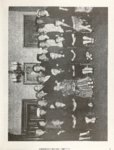
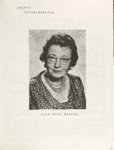
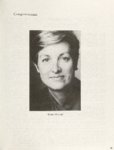
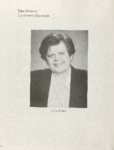
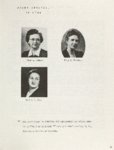
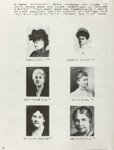
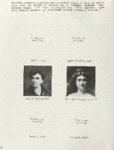
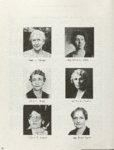
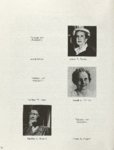
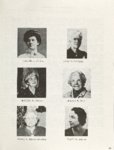
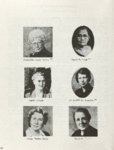
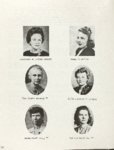
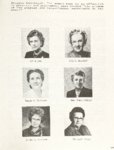
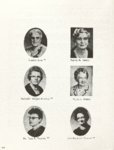
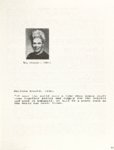
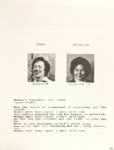
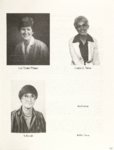
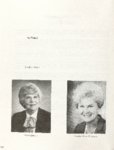
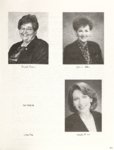
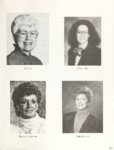
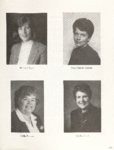
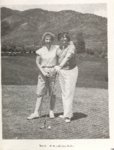
Show DAISY C. Elected 1917 ALLEN to 1919 all en was Daisy C. too, caught up in the fight for woman's the suffrage. fall By of 1916 the Woman' National Party, headquartered in Washington D.C. united in an appeal to all women who alreadyhad the vote to demonstrate for those in other states who were 4isfranchised. From a Sunday meeting in Chicago a message would be broadcast to all the states by telephone. The Saturday night before election, a torchlight parade was held in Salt Lake and the next day the message came through. The ,Progressive was what formed in Party, against protest cons1dered underhanded politics in both parties, became a coalition of party composed Democrats and Republicans. Its strong appeal to women was its granting of their right to vote. By the November 1916 election, it was strong enough in Utah to field a complete slate of candidates with its position on the ballot being placed between the Democratic and Republican tickets. It was on the Progressive ticket that Daisy Allen, Grace Stratton Airey and Elizabeth Hayward all ran and all were elected. All of them considered themselves Democrats as Lily Wolstenholme and Cloa Clegg considered themselves basically Republicans. By 1917 it appeared that the amendment would be passed but the main tactic now was delay. and made an eloquent President Wilson went in person to the Senate appeal in the name of true democracy. William Jennings Bryan went to Washington to intercede. Several votes were taken in both the House and the Senate and defeated by only a few votes. To avoid waiting until the regular December 1919 session, President Wilson called a special session. The votes in the Senate were: Total On 40; Democrats, Ayes-Rep. Ayes, 30 Nays. 26; nays- Rep. 9; Democrats 21; 66 1920, Secretary of State Bainbridge Colby proclaimed Suffrage Amendment part of the United States Constitution. August 26, the In the 1917 legislature, Daisy was chair of the School for the Deaf and Blind, and a member of the Education, Industrial School and Mental Hospital committees. V charter member of the OWLS and became its first recording she after taking office, Ali ttl e over three years became ill and resigned. Hers was a long and confining illness and in December of 1942 she passed away. She was a secretary. She was woman considered by who never those who shirked a knew her to be life. a brave and capable duty in her 61 |