| OCR Text |
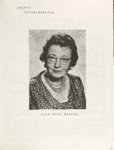
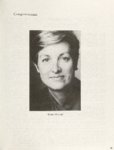
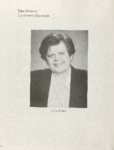
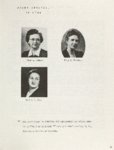
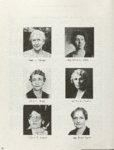
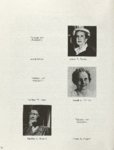
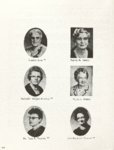
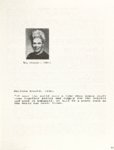
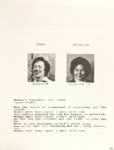
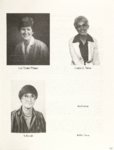
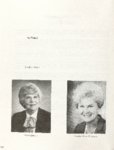
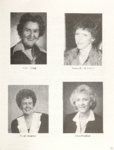
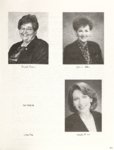
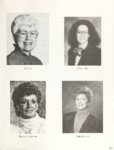
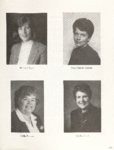
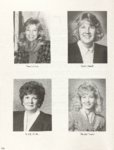
Show SARAH ELIZABETH Elected Sarah Anderson was NELSON 1897 considered to 1899 those by ANDERSON who knew her to be a thoughtful well-informed person who made her decisions only after She study and investigation. the brought these qualities to legislature but it could be that the committee work lacked some of the drama which had catapulted her to the office of State Representative. Sarah Nelson Doctor was Porter L. born in 1853 Anderson, and at the age of seventeen married Ogden physician. During the thirty five years they were married (he died in 1888) they became the parents of five children and acquired considerable property. Sarah was prominent and popular. She has been described as "a strong woman mentally and physically." She was also strong in her belief that men and women were equal a and staunch advocate of that equality. an In 1886, Congress in a sharp attempt to discourage polygamy in Utah disfranchised polygamists including women which had the effect of increasing leverage of non-Mormons and miners in the affairs of the state. With statehood approaching, Congress passed the Enabling Act of 1894 which for the of election to a provided delegates Constitutional Convention. The act specified "all male citizens over the of 21 who have resided the in age years territory for one males only year prior to such election". That was clear enough could vote for delegates. Delegates were required to have the same - qualifications - males only. another section stated that the "qualified voters of said shoul d vote in for November or state", against the Constitution. Women were part of the "qualified voters of the proposed state" under the new Constitution. Another portion of the Enabling Act provided that state officers might be voted on at the time as voters either ratified or rejected the Constitution. same There were no specifications as to who was qualified to vote for However, proposed the officers and the ratification. It was confusing. As a qualilfied voter of the proposed new state, Sarah Anderson went to the registrar of her district to register to It threw her into the limelight and the Utah vote. That did it. Commission, a board federally appointed to conduct elections after the Edmunds Law was passed in 1882, into a tizzy. The registrar refused to register Sarah because she was a female. The next day, Mrs. Anderson went to court seeking a writ of mandate to compel the registrar to register her. Sarah Anderson and the lawyers acting round; the judge ruled that women were on her behalf qualified to won the fiLst vote not only 45 |