| OCR Text |
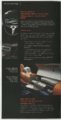
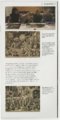
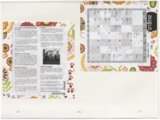
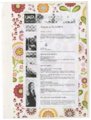
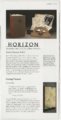
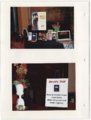
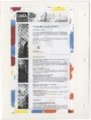
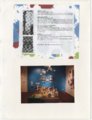
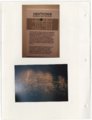
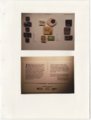
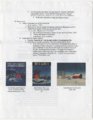
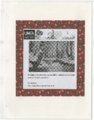
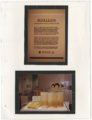
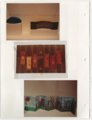
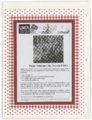
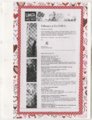
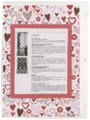
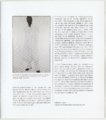
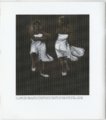
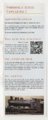
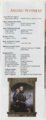
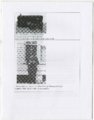
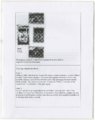
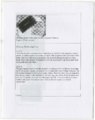
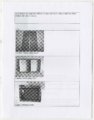
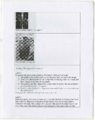
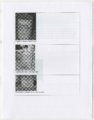
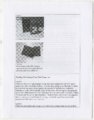
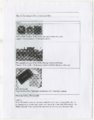
Show minimal look of his photographs. Located on Main Street in Heber Springs, Arkansas, his studio was approximately 20 x 30 feet with a large, sloping glass window facing North. Rather than using electric light he depended solely on Northern light from his window to create highly detailed portraits of his clientele. His principal backdrop was a white studio wall with a black stripe. Props were seldom used with the exception of a black table used in some photographs as a riser or simple prop. Label 2: The studio was unusual in that Disfarmer' s camera was mounted in a wall that separated the darkroom from the studio where his patrons would pose. The camera, fixed in the wall, meant that all patrons posed in about the same spot. The back of the camera was accessible in the darkroom where the lens was focused and the photographic plates were loaded. This arrangement meant Disfarmer was unseen while making his exposures. Staring into a lens without visual cues from Disfarmer meant that those who were posing may not have known exactly when their photograph was being taken, perhaps causing many of the fixed facial expressions. Many sitters later recalled being afraid of Disfarmer's abrupt and direct character, and that fear is what can be read in some of their expressions. Label 3: Disfarmer used a hand-made, wooden 8 x 10 inch camera similar to the one in the middle of this room. The camera is designed to shoot photographic glass negatives, referred to as glass plates. They are typically the size of the camera, in this case 8 x 10 inch. Smaller plates can be used with an adapted plate holder (the apparatus used to secure the plate in the back of the camera) and Disfarmer primarily shot 5 x 7 inch or 3 x 5 inch plates. This example of a plate holder fits a 5 x 7 inch plate and would have been used in a 5 x 7 inch camera. Label 4: With his camera fixed in a wall, Disfarmer could change lenses for different compositions. This photograph depicts a grouping of lenses Disfarmer would have used. The shutter, the mechanism that lets light into the camera through the lens for a fixed amount of time, was most likely set at 1/25th of a second - a fairly long exposure that might explain the slight blurriness or soft focus found in a few of his photographs. |