| OCR Text |
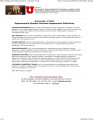
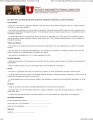
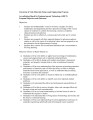
Show PhD PROGRAMS COUNSELING PSYCHOLOGY PHD PROGRAM LEARNING OBJECTIVES (SUMMARY) The scientist-practitioner education and training model of the Doctoral Program in Counseling Psychology emphasizes education in the science of psychology and the application of the professional specialization of counseling psychology. Program Goals, Objectives, and Related Competencies Based on our program philosophy described above, seven corresponding program goals operationalize these principles. From these goals we have derived a number of objectives and associated competencies, learning activities, assessment procedures, and expected student outcomes. The various components of our training model are enumerated below. Goal #1: Science. Produce graduates who understand and apply various inquiry skills, thus demonstrating that research and scholarly activities are integral to their professional identity. Objective 1A: Students will be exposed to the current body of knowledge in the behavioral science core of psychology. Competencies: To accomplish this objective, students will demonstrate substantial knowledge of and competence in the developmental, biological, cognitive/ affective, and social aspects of behavior, and the history of the discipline of psychology. Objective 1B: Students will be exposed to the current body of knowledge in strategies of psychological inquiry and will be able to identify and apply diverse inquiry strategies to various research questions of relevance to counseling psychology. Competencies: To accomplish this objective, students will (1) demonstrate substantial knowledge of and competence in basic quantitative methods and data analysis, research design, and psychological measurement commonly used in the field of psychology; and (2) demonstrate skills in advanced research methods appropriate to conducting their thesis and dissertation research. Objective 1C: Students will be involved in the research process from initial matriculation through successful completion of the Ph.D. Competencies: To accomplish this objective, students will (1) demonstrate the ability to conduct research; and (2) demonstrate practical experience in presenting research findings and other scholarship in contexts such as professional conferences, peer-reviewed journals, and other scholarly outlets. Goal #2: Practice. Produce graduates who have the requisite knowledge and skills for entry into the practice of professional psychology. To attain this goal, we expect our students to accomplish the following: Objective 2A: Students will acquire knowledge in the scientific, methodological, and theoretical foundations of psychological practice including areas such as individual differences in behavior, human development, and human problems or distress. Competencies: To accomplish this objective, students will demonstrate substantial understanding of and competence in the body of knowledge in theories and methods of assessment and diagnosis, effective individual and group intervention, consultation, supervision, and evaluation of the efficacy of such services. Objective 2B: Students will acquire an appreciation and understanding of the practice of counseling psychology and its connection to the broader field of psychology. Competencies: To accomplish this objective, students will (1) demonstrate knowledge of psychology as an applied discipline, and (2) recognize the distinguishing characteristics of the specialty of counseling psychology and its place in the broader field of psychology. Objective 2C: Students will develop awareness, knowledge, and skills in the application of counseling practice, including diagnosis, assessment, conceptualization, appropriate interventions, and outcome evaluation. Competencies: To accomplish this objective, students will become proficient as entry-level psychologists capable of (1) conducting counseling and psychotherapy and evaluating client progress and outcomes, and (2) diagnosing problems and conceptualizing clients' issues, conducting formal assessments, and integrating those assessments into a conceptualization of client status accompanied by an appropriate treatment plan. Goal #3: Integration of Science and Practice. Produce graduates who are skilled in integrating scientific principles and knowledge with professional practice to more effectively address the needs of individuals, families, groups, organizations, and public policy issues. To meet this goal, we expect students to develop knowledge and skills enabling them to accomplish the following: Objective 3A: Students will engage in practice that reflects and is informed by the changing and expanding scientific knowledge base, investigating the evidence applicable to clinical practice. Competencies: To accomplish this objective, students will (1) articulate the implications of evidence-based practice to the delivery of counseling, psychotherapy, and related professional services; (2) be able to access, understand, and critically evaluate relevant psychological and mental and behavioral health research literature; and (3) apply their scientific knowledge of research on psychotherapy interventions to professional practice. Objective 3B: Students will understand the integration of science and practice in psychology as a discipline and in the specialty of counseling psychology, with attention to the necessity of research being informed by practice and practice by research. Competencies: To accomplish this objective, students will conduct research that is guided by clinical practice to best meet the needs of individuals, organizations, and public mental health. Goal #4: Individual and Cultural Diversity. Produce graduates who have the awareness, knowledge, and skills necessary to address issues of human diversity (defined broadly) and multiculturalism and who are capable of advocating for the needs and issues of underrepresented populations. To meet this goal, we expect our students to accomplish the following: Objective 4A: Students will demonstrate awareness, knowledge, and skills related to human diversity and multicultural counseling. Competencies: To accomplish this objective, students will (1) demonstrate knowledge and integration of theory and research in human diversity and multicultural counseling in their assessments and interventions with various culturally diverse clients, (2) exhibit awareness of multicultural principles in their interactions with faculty and students, and (3) competently apply multicultural theory and scholarship to their own research. Goal #5: Optimal Human Functioning and Adaptive Developmental Processes. Produce graduates who are committed to facilitating optimal human functioning and adaptation across the lifespan. To meet this goal, we expect our students to accomplish the following: Objective 5A: Students will become knowledgeable about theories of life span development and optimal human functioning. Competencies: To accomplish this objective, students will demonstrate substantial understanding of contemporary theories of optimal human functioning, normative life-span maturational processes, and application of these concepts to research. Objective 5B: Students will implement models of optimal human functioning and human adaptation and development in their work as students and professionals. Competencies: To accomplish this objective, students will apply their understanding of positive coping, lifespan development, and adaptation into the practice realm. Students will demonstrate not only specific knowledge, but skill and sensitivity in implementing intervention approaches that incorporate this critical information. Goal #6: Professional Identity and Development. Produce graduates whose professional identity is that of a counseling psychologist and who have begun to develop knowledge and skills in one or more special proficiency area(s) that complement their core identity as counseling psychologists and that facilitate their entry and subsequent careers as academic or professional psychologists. Given that our program operates within a college of education, we espouse an educationally based model of continuing education and professional development. To meet this goal, we expect our students to do the following: Objective 6A: Graduates of the program will engage in a process of continuing education that contributes to personal and professional development. Competencies: To accomplish this objective, students will (1) develop habits of lifelong learning and personal and professional development that continue into their professional lives and (2) develop skills to engage in continuing scholarly inquiry, knowledgegeneration, and the dissemination of knowledge across the course of their professional careers. Objective 6B: Students will have developed a base of knowledge and competency in one or more designated special proficiency area(s) that will supplement their counseling psychology foundation. Graduates will be involved in continuing professional education and training activities in areas directly and indirectly related to this special proficiency. Competencies: To accomplish this objective, students will (1) gain didactic and applied experiences that support such specialization and (2) continue as graduates to obtain further education and training that demonstrate professional interests and growth in emerging areas of the discipline and profession of psychology. Objective 6C: Students will demonstrate career trajectories consistent with the profession of counseling psychology. For example, graduates will be employed as postdoctoral fellows, academic faculty members, or practitioners of professional psychology (pending licensure attainment) following the completion of their APA-accredited internship and graduation, leading to licensure as professional psychologists. Competencies: To meet this objective, graduates will perform career-related activities consistent with those identified in professional counseling psychology. Goal #7: Ethics, Professional Standards and Legal Issues. Produce graduates who consistently apply accepted standards of ethical and professional conduct to their work and who are committed to the continuing development of psychology as a profession and human science. To meet this goal, we expect our students to accomplish the following: Objective 7A: Students will demonstrate professional competency in applying the ethical and professional standards for psychologists to their work in clinical and research settings. Competencies: To accomplish this objective, students will demonstrate competence in applying the established ethical principles and practices in all facets of their professional work. Objective 7B: Students will maintain accountability to ethical and legal standards in their state and/or jurisdiction. Competencies: To accomplish this objective, graduates will, in a timely manner (1) acquire any additional postdoctoral trainee requirements of their state or provincial jurisdiction, and (2) subsequently obtain professional licensure as a psychologist. http://edps.ed.utah.edu/programs/APAselfstudy2006/ (Counseling Psychology APA Narrative Report) SCHOOL PSYCHOLOGY PHD PROGRAM LEARNING OBJECTIVES (SUMMARY) Based on our program philosophy described above, seven corresponding program goals operationalize these principles. From these goals we have derived a number of objectives and associated competencies, learning activities, assessment procedures, and expected student outcomes. The various components of our training model are enumerated by referring to http://edps.ed.utah.edu/programs/APAselfstudy2006/ (go to CP Narrative) B2. There are six SP Program goals that begin to operationalize the six overarching principles and lead to a series of concrete and specific training objectives and related competencies. The six goals focus on preparing program graduates to be competent science based professional psychologists with competencies in the specialty of school psychology, and an understanding of the legal, ethical issues of the field. Specifically, the goals are to prepare graduates to: (1) Understand and apply various scientific methods and research skills in professional careers, thus demonstrate that scholarly activities are an integral component to their professional activities. (2) Integrate scientific principles and knowledge with professional practice in order to address more effectively the needs of children, families, and community. (3) Demonstrate sensitivity to issues of diversity and multiculturalism, and capability to address the needs and issues of various under served populations. (4) Show commitment to facilitating optimal child functioning and adaptation, and demonstrate assessment and intervention skills to work with children at various developmental stages. (5) Develop specialized knowledge and skills that compliment the core identity as a school psychologist in order make significant impact as a professional psychologist or academician. (6) Demonstrate accepted standards of ethical and professional conduct, and show a commitment to the professional role of a scientist-practitioner. From these six goals we have derived 14 student competencies that represent our specific training objectives. These are enumerated in http://edps.ed.utah.edu/programs/APAselfstudy2006/ (School Psychology APA Narrative Report) LEARNING SCIENCES: LEARNING AND COGNITION PhD PROGRAM LEARNING OBJECTIVES (SUMMARY) The Learning and Cognition area is broad, involving basic and applied research involving: the psychology of reading, the psychology of writing, the acquisition of cognitive skills, memory processes (such as priming), human intelligence, the psychophysiology of the detection of deception (such as polygraph), and applications of psychological principles to the context of learning. Students in this area acquire theoretical knowledge of psychological and/or educational principles, and the methodological skills necessary to conduct original research on a variety of topics such as those outlined above. A cognitive framework is used in approaching issues. That is, mental processes and structures are postulated to account for learning and the effects of instruction. However, within this cognitive framework there is a great diversity in the kinds of research questions that can be pursued and in the particular methodologies used to explore them. For extended information see http://edps.ed.utah.edu/programs/LS/index.htm MASTERS PROGRAMS PROFESSIONAL COUNSELING MEd The course of study outlined in the Master's in Professional Counseling specialty is intended to develop students' abilities to meet the following objectives: • Counsel individuals, families, and groups using appropriate techniques, materials, and resources to assist clients in resolving socioemotional, personal, or vocational concerns and/or coping with problems of living. • Articulate an informed comprehension of a variety of theoretical perspectives on human behavior as well as articulating their personal rationale for and approach to counseling. • Develop self-awareness, knowledge, and skills related to issues of diversity and multiculturalism to serve more effectively a broad spectrum of individuals, families, and communities. • Comprehend and adhere to the ethical principles and professional values of the counseling profession. • Develop, implement, and critically evaluate the efficacy of counseling services, programs, and related activities in the settings in which they plan to work. • Seek appropriate consultation with colleagues, other professionals, and lay persons as well as establish effective relationships with individuals and agencies that also provide services to assist clients. • Understand basic principles of human growth and development and recognize the influence of social and cultural factors on the behavior and development of individuals, families, and communities. • Appreciate the role, function and professional identity of counselors, understand professional issues unique to mental health counseling, and promote the growth and development of the field of professional counseling. For extended self-study report see http://www.ed.utah.edu and click on "Professional Counseling" link in Counseling and Counseling Psychology Program SCHOOL COUNSELING MEd The course of study outlined in the School Counseling Specialization is intended to develop students' abilities to meet the following objectives: • PROFESSIONAL IDENTITY - studies that provide an understanding of all aspects functioning as a professional school counselor. • SOCIAL AND CULTURAL DIVERSITY - studies that provide an understanding of the cultural context of relationships, issues and trends in a multicultural and diverse society. • HUMAN GROWTH AND DEVELOPMENT - studies that provide an understanding of the nature and needs of individuals at all developmental levels. • CAREER DEVELOPMENT - studies that provide an understanding of career development and related life factors. • HELPING RELATIONSHIPS - studies that provide an understanding of counseling and collaboration processes. • GROUP WORK - studies that provide both theoretical and experiential understandings of group purpose, development, and dynamics. • ASSESSMENT - studies that provide an understanding of individual and group approaches to assessment and evaluation. • RESEARCH AND PROGRAM EVALUATION - studies that provide an understanding of research methods, statistical analysis, needs assessment, and program evaluation. • FOUNDATIONS OF SCHOOL COUNSELING - studies that provide an understanding of history and trends in school counseling, ethical and legal issues, and roles and functions of the professional school counselor. • CONTEXTUAL DIMENSIONS OF SCHOOL COUNSELING - studies that provide an understanding of the systemic, interdisciplinary, and social/cultural variables within school systems. For extended self-study report see http://www.ed.utah.edu and click on "School Counseling" link - in Counseling and Counseling Psychology Program LEARNING SCIENCES: INSTRUCTIONAL DESIGN AND EDUCATIONAL TECHNOLOGY (IDET) - MEd Instructional Design and Educational Technology (IDET) is a Master's degree program in the Department of Educational Psychology at the University of Utah. The program prepares students to analyze, design, develop, implement, and evaluate technology-based instruction for educational contexts. Students pursuing this degree will learn the theoretical issues associated with technology-supported instruction and the applications of technology to support best-teaching practices. The instructional design "ID" component of the program provides students with the knowledge and skills necessary to identify learner needs and goals and to develop instructional systems to meet those needs and goals. The educational technology "ET" component provides students with knowledge and skills necessary to create technology-based learning environments in which learner needs and goals are met with and supported by technology. For extended information see http://edps.ed.utah.edu/programs/LS/index.htm LEARNING SCIENCES: STATISTICAL AND RESEARCH METHODS MStat The Learning Sciences Program is concerned with the research methodologies used to investigate learning and educational psychology, broadly defined. Faculty members associated with this area also teach statistics and research methods courses open to students throughout the University of Utah. These same faculty often serve as statistical methodology experts on doctoral dissertation and master's thesis supervisory committees. The Statistical and Research Methods area grants the M.Stat.Degree. Students in this program are part of the University of Utah's interdepartmental Masters of Statistics program. Applicants, however, apply to the Department of Educatonal Psychology for admission. For extended information see http://edps.ed.utah.edu/programs/LS/index.htm |