| OCR Text |
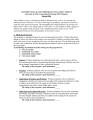
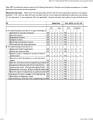
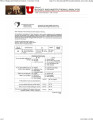
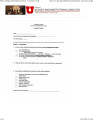
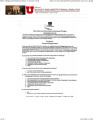
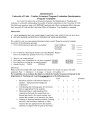
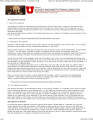
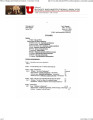
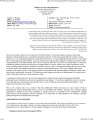
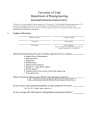
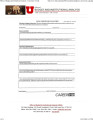
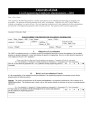
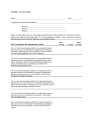
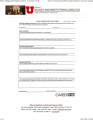
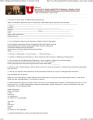
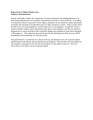
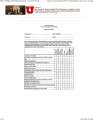
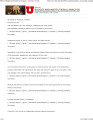
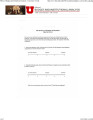
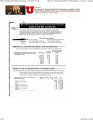
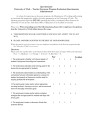
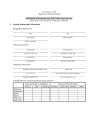
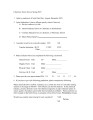
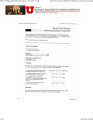
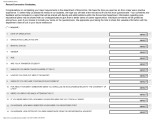
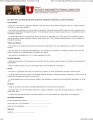
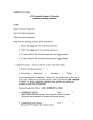
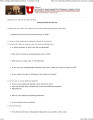
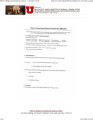
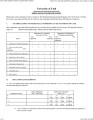
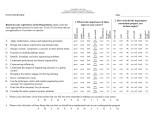
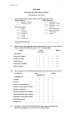
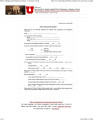
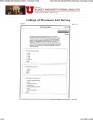
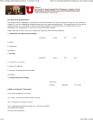
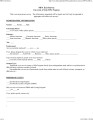
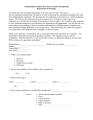
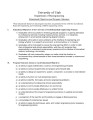
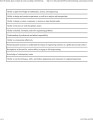
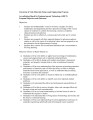
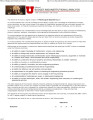
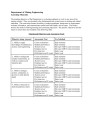
Show University of Utah Department of Bioengineering Biomedical Engineering Employee Survey This survey is to be completed by direct supervisors of University of Utah Biomedical Engineering graduates. The responses and findings of the survey are for the purpose of enhancing the educational experience in the Bioengineering Department at the University of Utah. Responses will be used to generate overall statistics and individual results will be kept confidential. I. Employer Information Name of Company Company Location Your Name Phone Number Your Position Type of Company (Large corp., small corp., small business, fed, state, local, nonprofit, educational inst., self employed) What field best describes the type of industry alignment of your company: a. Medical Device Manufacturer b. Pharmaceuticals c. Diagnostics d. Biotechnology e. Medical Instrumentation f. Regulatory / Legal affairs support g. QA/QC support h. Engineering activities outside biomedical engineering i. Non-engineering What is the typical starting salary offered newly graduated engineers. <18 | 18-26 | 27-34 | 35-40 | 41-46 | 47-52 | 53-65 | >65 Do you expect newly graduated engineers to have passed the FE exam? Yes, No, N.A. (don't know what it is) Do you routinely offer internships to undergraduate engineering students? II. Educational Objectives of the University of Utah Biomedical Engineering Program The program has four educational objectives and we would like to solicit your input on the relevance of the objectives to engineering practice and how well your UofU BME graduates are meeting these objectives. A. Graduates will be successful in entering graduate programs, in gaining admission to professional schools including medical and law schools, or in obtaining employment in a biomedical engineering aligned industry. B. Graduates will be able to solve problems at the interface of engineering and biology whether in a research environment, a clinical setting, or in industry. C. Graduates will be motivated to pursue life-long learning efforts in order to fulfill their professional and ethical responsibility; and they will recognize their responsibility to understand contemporary questions at the interface of biomedical science, technology, and society. D. Graduates will have noteworthy careers no matter what the direction or environment they chose because of their broad education founded in science and engineering. Please rank the importance each of these educational objectives has to biomedical engineering practice based on both your business and societal perspective (1 = Unimportant, 2 = Slightly Important, 3 = Important, 4 = Very Important, 5 = Extremely Important) And on how well the UofU Biomedical Engineering graduates are achieving these objectives. (-2 = Poor, -1 = Marginal, 0 = OK, 1 = Good, 2 = Great) Educational Objective Educational Focus UofU Grads Achievement A Successful in reaching next career milestone. 1 2 3 4 5 -2 -1 0 1 2 B Able to solve problems at the interface of engineering and biology. 1 2 3 4 5 -2 -1 0 1 2 C Pursue life-long learning to fulfill professional and ethical responsibility. 1 2 3 4 5 -2 -1 0 1 2 C Recognize the responsibility to understand contemporary questions at the interface of biomedical science, technology, and society. 1 2 3 4 5 -2 -1 0 1 2 D A broad education founded in science and engineering is allowing graduate to have a noteworthy career. 1 2 3 4 5 -2 -1 0 1 2 III. Examination of Core Biomedical Engineering Skills Rank the level of educational focus that an undergraduate biomedical engineering program should employee for each core skill area (1 = Not Mentioned, 2 = Mentioned, 3 = Covered in a Lecture, 4 = Major Learning Objective, 5 = Focus of a Class) And the ability of University of Utah Biomedical Engineering graduates in each core skill area. (-2 = Poor, -1 = Marginal, 0 = OK, 1 = Good, 2 = Great) Skill Educational Focus UofU Grads Ability A Ability to apply mathematics, science and engineering principles. 1 2 3 4 5 -2 -1 0 1 2 B Ability to conduct experiments, and analyze and interpret data. 1 2 3 4 5 -2 -1 0 1 2 C Ability to design an experiment, system, component, or process to meet desired needs. 1 2 3 4 5 -2 -1 0 1 2 D Ability to function on multi-disciplinary teams. 1 2 3 4 5 -2 -1 0 1 2 E Ability to identify, formulate, and solve engineering problems. 1 2 3 4 5 -2 -1 0 1 2 F Understanding of professional and ethical responsibility. 1 2 3 4 5 -2 -1 0 1 2 G Ability to communicate effectively in an oral format. 1 2 3 4 5 -2 -1 0 1 2 H Ability to communicate effectively in a written format. 1 2 3 4 5 -2 -1 0 1 2 I Understanding of the impact of engineering solutions in a global and societal context. 1 2 3 4 5 -2 -1 0 1 2 J Understanding of the need for and the ability to engage in lifelong learning. 1 2 3 4 5 -2 -1 0 1 2 K Understanding of contemporary issues. 1 2 3 4 5 -2 -1 0 1 2 L Ability to apply the techniques, skills, and modern engineering tools necessary for engineering practice. 1 2 3 4 5 -2 -1 0 1 2 IV. BME Program Skills Program Criteria for Biomedical Engineering Programs in the United States (from ABET): The structure of the curriculum must provide both breadth and depth across the range of engineering topics implied by the title of the program. The program must demonstrate that graduates have: and understanding of biology and physiology, and the capability to apply advanced mathematics (including differential equations and statistics), science, and engineering to solve the problems at the interface of engineering and biology; the ability to make measurements on and interpret data from living systems, addressing the problems associated with the interaction between living and non-living materials and systems. Based on the above statement rank the level of educational focus that an undergraduate biomedical engineering program should emp loyee (1 = Not Mentioned, 2 = Mentioned, 3 = Covered in a Lecture, 4 = Major Learning Objective, 5 = Focus of a Class) And the ability of University of Utah Biomedical Engineering graduates in the following areas. (-2 = Poor, -1 = Marginal, 0 = OK, 1 = Good, 2 = Great) Skill Educational Focus UofU Grads Ability Overall understanding of biomedical engineering 1 2 3 4 5 -2 -1 0 1 2 1 Understanding of Biology 1 2 3 4 5 -2 -1 0 1 2 2 Understanding of Physiology 1 2 3 4 5 -2 -1 0 1 2 3 Make measurements and interpret data from living systems 1 2 3 4 5 -2 -1 0 1 2 4 Can address the problems associated with the interaction between living and nonliving materials and systems 1 2 3 4 5 -2 -1 0 1 2 Capability to solve the problems at the interface of engineering and biology by applying the following: 5 Advanced math including differential equations 1 2 3 4 5 -2 -1 0 1 2 6 Statistics 1 2 3 4 5 -2 -1 0 1 2 7 Science 1 2 3 4 5 -2 -1 0 1 2 8 Engineering 1 2 3 4 5 -2 -1 0 1 2 |