| OCR Text |
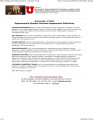
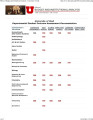
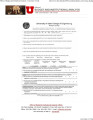
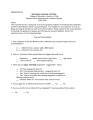
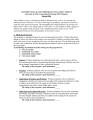
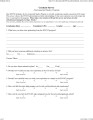
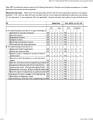
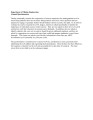
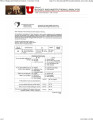
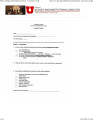
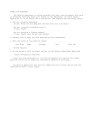
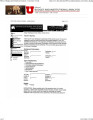
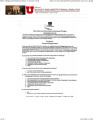
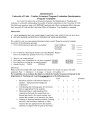
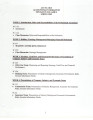
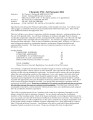
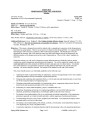
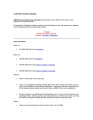
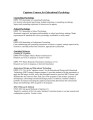
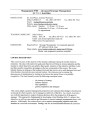
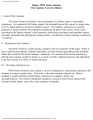
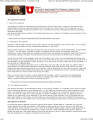
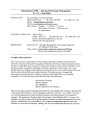
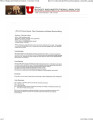
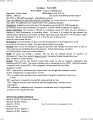
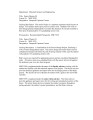
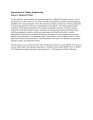
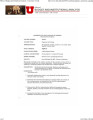
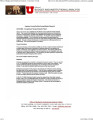
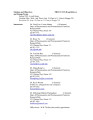
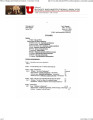
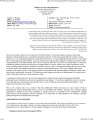
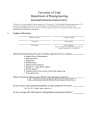
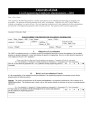
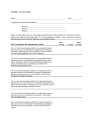
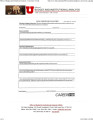
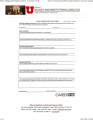
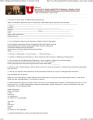
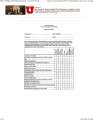
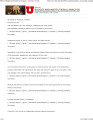
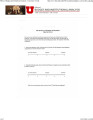
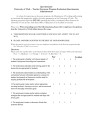
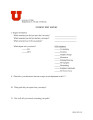
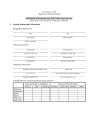
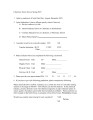
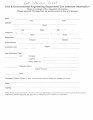
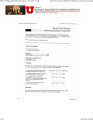
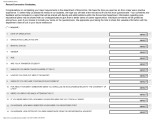
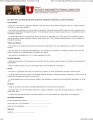
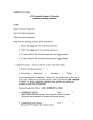
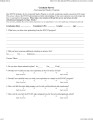
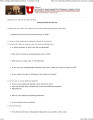
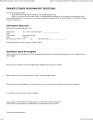
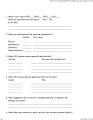
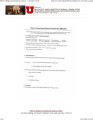
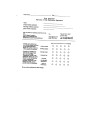
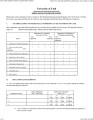
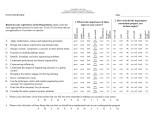
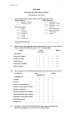
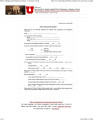
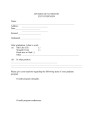
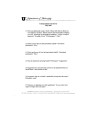
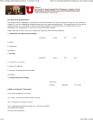
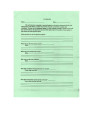
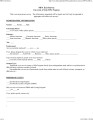
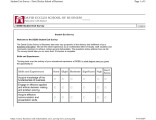
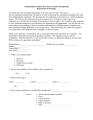
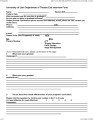
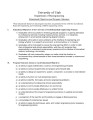
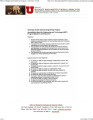
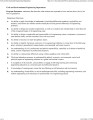
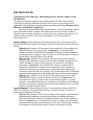
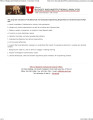
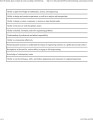
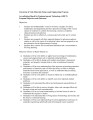
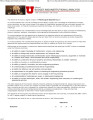
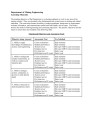
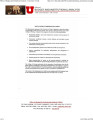
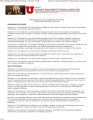
Show C i v i l & E n v i r o n m e n t a l E n g i n e e r i n g D e p a r t m e n t E x i t I n t e r v i e w I n f o r m a t i o n Please provide all of the requested information (Please separate this page from the questionnaire at time of interview) Name Last First Address Street City State Zip Telephone / j j j Home Work Employment Company Address E-mail Address Graduation Date Degree After Graduation Plans Job Graduate Other Company Location Salary (Optional) School Degree Pursued Permanent Address (Parent of other who will know where to locate you should you move) Name Address Note: As you pursue your plans in the future, we would appreciate you taking the time to visit the Civil & Environmental Engineering website (www.civil.utah.edu) and you taking the time to update your information. Civil & Environmental Engineering Graduating Student Assessment Form Please complete this form prior to your exit interview. Your candid, thoughtful comments are valued and needed. I. General Overview 1. Were you satisfied with the course work in the department? If not, why? 2. Were you satisfied with the laboratories in the department? If not, suggestions for improvement 3. Please comment on the advising that you received at the various stages of your academic career. a) Entering Freshman b) Transfer Student c) Career Guidance 4. List one or two of your best experiences in the department 5. Did you have any bad experiences that you would like to comment about? 6. What single suggestion can you make for the improvement of the CVEEN department? 7. Are there any other items not covered above that you wish to address? EEQJ B>O J roX>OI ro "a> 5 i i t ccasni _ > ro>o < torfo ) OJ P > <O J ro !• > <ao> CO ro 13ac >r e £ O) O"c30 CO X rxCD idi-roo I cr _ £0 a> I CO I H Uko %1o oo 0- MS E 0) Ero CD CO rE0o O£ x:CO - roo 0 ) CCOD CO Qoj xro0o h- 0) 'co raU>»)Jo I Q X) rroo o 0 Xo c o Ir o UJ ,C o 0)1 = •crco CL Xra*)o xro0o ot0 " D _C; ro CL d X ro xPu ro 0 ro y 0 a CO 0S- c 9-"cIoo xro !* X O ro 0 Eo0 or XrPHo c ro 3 CO C|0C T _ 'co Cni c Xro0o o"c05r £cE00 o I co xro c Xru0o cO: I-E p g a E o • ot|oo g _ ZUJ ro M- >UOJ 1 o5> sz » O V- >>C c 0) I- 6 o CL <D ro X3 ro o ,u CO c iB m CL Irs O-"o § °- 5o Q. nirr8E io| 8130 ®2CL 1o1 £ "33 «a <!> > 3 RO 21ao3, £ o o"| 3 U 'C L_ o O) \cCD 0) c LUcCDr rccE0o o LUc> C4 8* lis .cr teCDfgl co Q 01 ot2ao>>> re §ii «rao> "ie I- 0>1 roa>o i A < II ro E cu". __ O K- 3 O CD 6 ° E E .9 .E o O O £ " § £-«1 x§ii r|o i_ 3 5 co +-1 CD > <CIM I <u CD 2 > < oCD CD co t_ Q3 tfi c c LU LUc>r o>o I CO (0 Eooc oo UJ Too ,2 toro i2 ro S ro >•- o cCD _ CO oo CNa> ooo LL>OUU CM ZLL>UU o coo T- CM zL>U LLo>UU rco CECOD O O "oooo* oooCO zL>CUN rc>.o < s 3 O 3 V_ CO C0COD) _ b co O |CCDD | c-LrUcoro u 0) o CD CD CCc_DDd LccCUD | ro co c _oo> CD CD o ro L- "O , COD 2 >» X r_o I- OJ ro LUCCCCCC>DDD O CD c \-CCDD cCCD j LcoU croo Q- rccno _CD | 'I- 0CD cCD I LU B ccEoCD '>LcU_ CCD I- CCCCDDD cr LU cro 0) Ecor LU_c> r CoD 2^ CL .ii QaCO> c^o_ cCoD CD C ECoL O CD r 'C LCCCUCCDDD CCD CD c LUcCDr | I a; 3 EoCL | oOr^oB_o +-> LUo otEo Qrrc>.oo CL to fyrEo 'o Eaj a. | >» I CD 3 CO -+rcgro y cr 3 EEo O ro u c CD E LU c(LL>JUUn o ZLLCCCUUONN > UccZLUooJ > o rocCoN LL>UU u roZLU Lo>U o orZL>CUM LO orLoU>UJ LOCCOON LzLUU o> roLLCUUD >rooCCMD CT; zLLUU >u oooU CO ao oCOD LoU LLCUUN ooCCMD LZLU O oCZLUM O coon Z LCUD CN LU CO Department of Civil & Environmental Engineering Curriculum Evaluation* (Please circle the corresponding number that ranks the over all curriculum addressed by the particular program outcome.) Desired Program Outcome / R a n k i n g IV. Suggestions for Improvement a. An ability to apply knowledge of mathematics (including differential equations), probability and statistics, and science (to include calculus-based physics and general chemistry) to engineering problems. High 5 4 3 2 1 0 Low b. An ability to design and conduct experiments, as well as to analyze and interpret data, in more than one of the recognized major civil engineering areas. High 5 4 3 2 1 0 Low c . An ability to design a sustainable and constructible civil engineering system, component, or process to meet desired needs and that considers lifecycle cost issues. High 5 4 3 2 1 0 Low d. An ability to function on multi-disciplinary teams. High 5 4 3 2 1 0 Low e. An ability to identify, formulate, and solve civil engineering problems in at least four of the following areas: structural, geotechnical, transportation, environmental, and water resources. High 5 4 3 2 1 0 Low f. An understanding of civic, professional, and ethical responsibility, especially as it relates to health and safety, and the importance of professional licensure. High 5 4 3 2 1 0 Low g. An ability to communicate effectively using written, graphical, and verbal skills. High 5 4 3 2 1 0 Low h. The broad education necessary to understand the ethical, economic, environmental, social, and political impact of engineering solutions in a global and societal context. High 5 4 3 2 1 0 Low i. A recognition of the need for. and an ability to engage in, life-long learning and continuing engineering education as a necessary part of professional practice. High 5 4 3 2 1 0 Low j . A knowledge of contemporary issues that are affecting our infrastructure and environment. High 5 4 3 2 1 0 Low k. An understanding of and ability to use the techniques and skills, including engineering economics, and modern engineering tools necessary for professional civil engineering practice. High 5 4 3 2 1 0 Low "Please assess your own capabilities as a graduating senior relative to our desired program outcomes. |