| OCR Text |
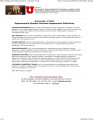
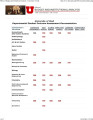
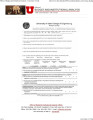
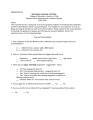
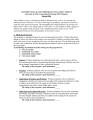
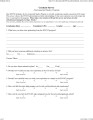
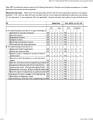
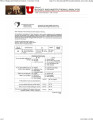
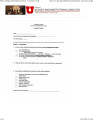
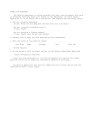
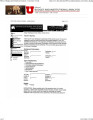
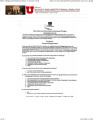
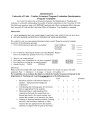
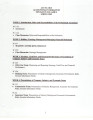
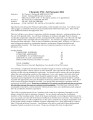
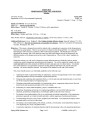
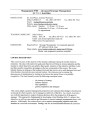
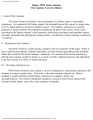
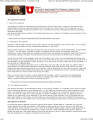
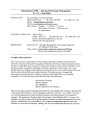
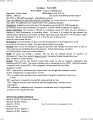
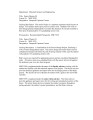
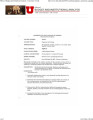
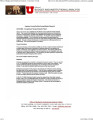
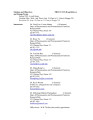
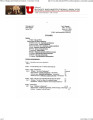
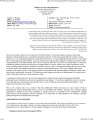
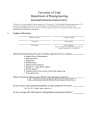
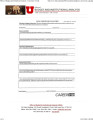
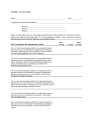
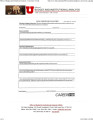
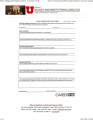
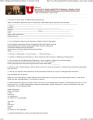
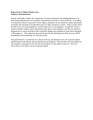
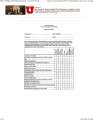
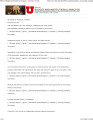
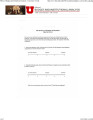
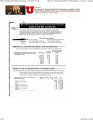
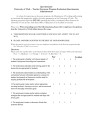
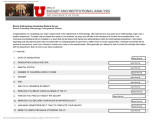
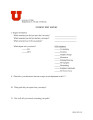
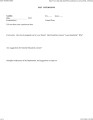
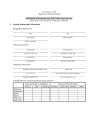
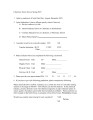
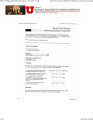
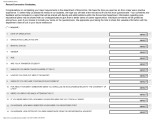
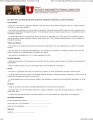
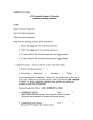
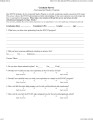
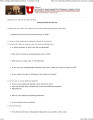
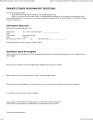
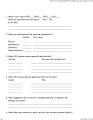
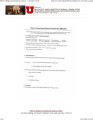
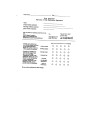
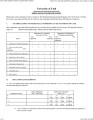
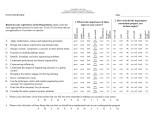
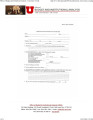
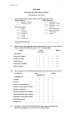
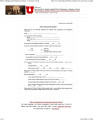
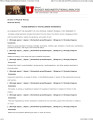
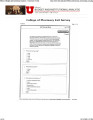
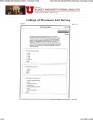
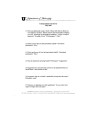
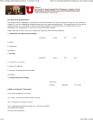
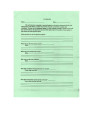
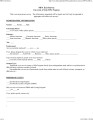
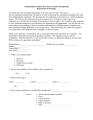
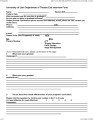
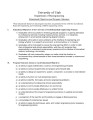
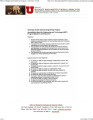
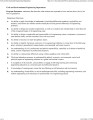
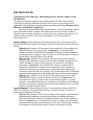
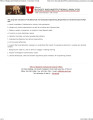
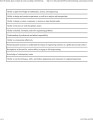
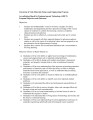
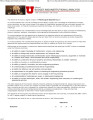
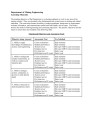
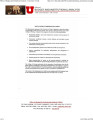
Show Office of Budget and Institutional Analysis - University of Utah http://www.obia.utah.edu/2006Accred/soa/employer_surveys/mte_ems.php University of Utah, Dept. of Metallurgical Engineering ABET Accreditation Questionnaire for Employers of BS Metallurgical Engineering Graduates 1. Name Company: Address: email: Phone: Title: Major Field of Education: Responsibilities: 2. Your Company's Main Area of Business: (Please Circle all that apply) Primary Metals production Mineral Processing Fabricated Metal Products Electrical/Electronic Industry Chemical/Process Industry Aerospace Automotive Medical Devices Education Government Consulting Energy Production/Utilities Other 3. Number of Employees: In your Division Whole Company 4. Number of Metallurgical Engineers or other technical staff involved in Metallurgy Related Work: 5. Job functions of the Metallurgical Engineers in your company: (Please circle all that apply) Alloy Development Process Development Quality Control Management Product Development Manufacturing/Production Basic R&D Other 6. What are the critical/important skills (technical and non-technical) desired in metallurgical engineering graduates that you hire? 7. How do you perceive the importance of internet-based material as a part of undergraduate education? high moderate low no opinion Based on your experiences, please respond to the following by circling the most appropriate answer. Circle NA for those that are not applicable or if you have no opinion. 8. What importance would you place on the training of a new metallurgical engineer in the following areas? 9. If you have hired Univ. of Utah Metallurgical Engineering graduates, please indicate your level of satisfaction with their preparation in the following areas? great importance some importance a little not much no importance no answer or not applicable very well well just okay not well badly no answer or not applicable A. Applied mathematics, science and engineering principles 1 of 3 10/13/2006 3:51 PM Office of Budget and Institutional Analysis - University of Utah http://www.obia.utah.edu/2006Accred/soa/employer_surveys/mte_ems.php B. Design and conduct experiments, and data interpretation C. Design a system, component, or process to meet desired needs D. An ability to understand structure-property-processing relationships in metallic materials E. Function on multidisciplinary teams F. Identify, formulate, and solve engineering problems G. Understand professional and ethical responsibility H. Communicate effectively I . Understand the impact of engineering solutions in a global context J . Recognize the need for and engage in life-long learning K. Know contemporary issues L. Use advanced techniques, skills, and modern tools for engineering practice Please circle 3 areas in the list above that you feel are most important for success Please indicate with a * notation 3 areas in the above list that should be emphasized in the undergraduate program. 10. In your opinion, please indicate the importance of the following courses in the current University of Utah Metallurgical Engineering undergraduate curriculum. great importance some importance a little not much no importance no answer or not applicable CORE COURSES MET E 1610 Introduction to Extractive Metallurgy great some little not much none NA MET E 1620 Introduction to Physical Metallurgy great some little not much none NA MET E 3070 Statistical Methods in Earth Sci & Eng great some little not much none NA MET E 3220 Material and Energy Balances great some little not much none NA MET E 3500 Fluid Flow great some little not much none NA MET E 3530 Experimental Techniques in Metallurgy great some little not much none NA MET E 3620 Thermodynamics and Phase Equilibria great some little not much none NA MET E 5260 Physical Metallurgy I great some little not much none NA MET E 5450 Mechanical Metallurgy great some little not much none NA MET E 5670 Mineral Processing I great some little not much none NA MET E 5680 Mineral Processing I I great some little not much none NA MET E 5690 Process Engineering Statistics great some little not much none NA MET E 5700 Hydrometallurgy great some little not much none NA MET E 5710 High Temperature Chemical Processing great some little not much none NA MET E 5750 Rate Processes great some little not much none NA MET E 5760 Process Synthesis, Design & Econ great some little not much none NA MET E 5780 Metals Processing great some little not much none NA ELECTIVE COURSES MET E 5600 Corrosion Engineering great some little not much none NA MET E 5270 Powder Metallurgy great some little not much none NA MET E 5660 Surfaces and Interfaces great some little not much none NA MET E 5800 Special Topics in Metallurgical Eng ( i ) Magnetic Materials and Devices great some little not much none NA ( i i ) Industrial Internship great some little not much none NA MET E 5830 Senior Project great some little not much none NA * * Several non-departmental courses from a broad range of departments are also included in the list of approved electives. Students are required to take a minimum of 10 credit hours of approved electives. 11. Based on your professional experience, please suggest any other courses or improvements that should be incorporated in the core curriculum to meet current and future needs? Office of Budget & Institutional Analysis (OBIA) 110 Park Building, 201 South President's Circle, Salt Lake City, UT 84112 Office: 801-581-6948 | Fax: 8 0 1 - 5 8 1 - 7 5 4 1 | Email: info@obia.utah.edu 2 of 3 10/13/2006 3:51 PM Office of Budget and Institutional Analysis - University of Utah http://www.obia.utah.edu/2006Accred/soa/employer_surveys/mte_ems.php The University of Utah © - Disclaimer 3 of 3 10/13/2006 3:51 PM |