| OCR Text |
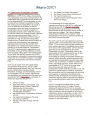
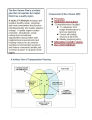
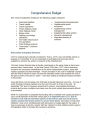
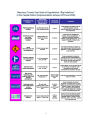
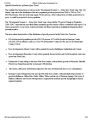
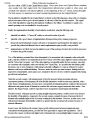
Show DEVELOP THE REGION'S POTENTIAL BUILD UPON OUR STRENGTHS 20. The transportation system of the Capital Region is an important part of the region's attractiveness. 21. Transportation investments will help preserve and enhance the Capital Region's existing urban form, infrastructure and quality of place. USE TRANSPORTATION INVESTMENT AS A TOOL 22. Transit facilities and services can be an essential element of the social, economic and cultural fabric if supportive policies and investments are in place. 23. Neighborhood-based local planning efforts are important to the success of an overall regional plan that emphasizes livable communities. LINK TRANSPORTATION AND LAND USE 24. Land use management is critical to the protection of transportation system investment. 25. Design of street layout and location of complementary uses creates a pedestrian scale and provides increased accessibility without compromising the attractiveness of development. LINK TRANSPORTATION INVESTMENTS TO LAND USE PLANNING 26. Transportation investments will encourage residential and commercial development to locate within an Urban Service Area defined for the Capital Region. 27. Environmental stewardship is one of CDTC's emerging roles and is crucial to the success of and quality of life in this region. Transportation investments must improve or preserve the region's cultural and natural environment. 28. Transportation investments will not encourage development in environmentally sensitive areas and will help to preserve rural character. 29. Arterial management guidelines will be flexible enough to deal with the Capital Region's various roadway types and the specific land use patterns surrounding them. PLAN AND BUILD FOR ALL MODES 30. CDTC's planning efforts will be comprehensive enough to encompass all modes, including air, water, freight, intercity and local transit, pedestrian and bicycle. 31. Possible bicycle/pedestrian-related improvements will be considered from the perspective of developing a system - not just based on whether a particular facility is currently used. 24 CDTC's 31 Adopted Planning and Investment Principles PRESERVE AND MANAGE IMPROVE SYSTEM PERFORMANCE 1. CDTC is committed to the maintenance, repair and renewal of the existing highway and bridge system in a cost-effective manner that protects and enhances rideability, public safety and accessibility. 2. Funding for appropriate repair and renewal will be based on the function and condition of the facility - not ownership. 3. Encouraging bicycle and pedestrian travel is a socially, economically and environmentally responsible approach to improving the performance of our transportation system. 4. In addition to supporting desired land settlement patterns, transit service helps meet multiple regional objectives in the Capital Region. • Transit contributes to congestion management, air quality and energy savings • Transit offers an alternative travel mode, reducing auto dependence • Transit provides essential mobility for those who do not operate a private vehicle 5. Improve the safety of the regional transportation system by creating a travel environment that is consistent with the community context and that provides a reasonable range of risk for all users of the system. 6. Transportation planning and implementation in the Capital Region includes examination of security issues and incorporation of security actions that: protect lives and coordinate the use of resources and manpower through established plans and protocols; provide services during and after disaster emergencies to aid citizens and reduce human suffering resulting from a disaster; and provide for recovery and redevelopment after disaster emergencies. 7. The needs of the older driver will be considered as transportation facilities are maintained and rehabilitated. 8. Increased efficiency in current vehicles/programs is preferable to fleet expansion to provide for special transportation needs. MANAGE CONGESTION 9. Management of demand is preferable to accommodation of single-occupant vehicle demand growth. 10. Cost-effective operational actions are preferable to physical highway capacity expansion. 11. Capital projects designed to provide significant physical highway capacity expansion are appropriate congestion management actions only under certain conditions. 12. Significant physical highway capacity additions carried out in the context of major infrastructure renewal are appropriate only under certain conditions. 13. Incident management is essential to effective congestion management. 14. Any major highway expansion considered by CDTC will include a management approach. 15. In project development and design, other performance measures, such as pedestrian, bicycle and transit access, community quality of life and safety will be considered along with congestion measures. 16. The New York State Department of Transportation guidelines for roundabouts will be used for all CDTC federal aid projects that involve intersection improvements. PROTECT OUR INVESTMENT 17.Managing traffic flows on the Capital Region expressway and arterial system is critical for both economic and social reasons. 18.Major capital projects must have a plan for operating budgets for the life of the project. 19.Maintaining the health and improving the efficiency of the existing freight facilities in the region through public/private partnerships is a high priority. 23 |