| OCR Text |
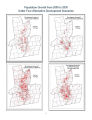
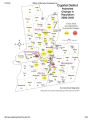
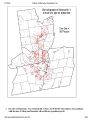
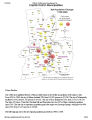
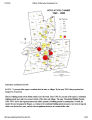
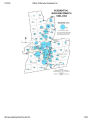
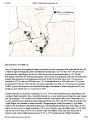
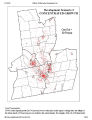
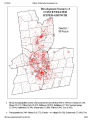
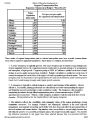
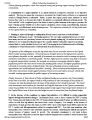
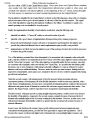
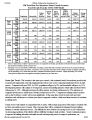
Show Development Scenario 2 - Concentrated Growth Whereas only 10 percent of regional growth is projected to occur within existing cities and villages under the Status Quo Trend, 41 percent of the region's future growth would be located in the existing cities and villages under Scenario 2. However, while the population of the region's traditional central cities (Albany, Schenectady, and Troy) would see population increases, they would still be well below historic population peeks. The town of Colonie, on the other hand, would see its population increase to an historic high of 75,081 (not including the villages). The town would see some areas redeveloped at slightly higher densities than previously experienced, but most areas within the region's other suburban towns would not see an increase in population density under this scenario. When we compare the land developed in the Statues Quo Trend (Scenario 1) to the land developed in Scenario 2, the result would be the conservation of approximately 20,375 acres of land that would otherwise be developed under the Status Quo Trend. There would be a number of benefits associated with this scenario. These include: a reduction in the pressure to develop farmland; the preservation of wetlands and wildlife habitats; a reduction in the impact of erosion, sedimentation and stormwater runoff; the preservation of natural and scenic landscapes, and the likely reduction in the overall cost of providing services. Since the majority of the projected development takes place within the existing urbanized area, and 41 percent of the projected growth occurs in existing cities and villages, very little new public investment to expand infrastructure will be needed. Though investments may be needed to maintain and improve existing infrastructure, the expanded tax base resulting from the new growth would help provide the means for funding these improvements. Moreover, with the addition of 36,743 people in the region's cities and villages, the issue of vacant and decaying buildings would be greatly ameliorated due to the residential and business improvements and investments made by the new population. There will also be additional opportunities for "brownfield" and "greyfield" redevelopment. Small business development would be aided by the infusion of new customers and an enhanced urban vibrancy would result from the close proximity of many more people within walking distances of services, employment, and mass transit, thereby helping to improve regional air quality and reduce dependence on fossil fuels. Major land use policy changes at the local and regional levels would be necessary in order for this scenario to materialize. For example, rural and semi-rural communities on the fringe of the region's urbanized area would have to strictly limit expansion into their communities. Land use tools such as large-lot zoning, farmland preservation zones, open spaces purchases and easements, and transfer of development rights programs would need to be implemented. In addition, in order to maintain their rural character, these outlying communities would have to limit or disallow the creation or extension of municipal services such as public sewer and water systems into their municipalities. In order to achieve the concentrated growth depicted in this scenario, communities would also need to endorse the adoption of growth boundaries. These boundaries would need to be designed at both the local and regional scale so as to concentrate rural growth in villages and hamlets and major regional growth within the already urbanized areas. 1/7/2010 Effects of Alternative Development Sc… cdtcmpo.org/policy/june07/wa-doc.htm 32/60 |