| OCR Text |
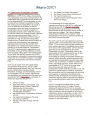
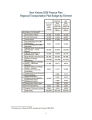
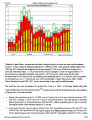
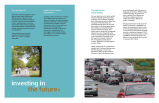
Show The high cost of doing nothing For many regions across the nation, growth brings unsustainable sprawl and choking congestion. If the traditional, unplanned, ways of developing growth are allowed here, our quality of life could decline. By implementing New Visions, we can avoid the mistakes of other fast-growing regions, where residents are stranded with long, expensive commutes, decaying cities, suburbs with no identity and overwhelming infrastructure costs. Doing nothing also leaves the Capital Region heavily dependent on the automobile and vulnerable to the full impacts of continued escalation in the cost of gasoline; namely, serious economic inefficiencies and likely regional economic decline. Clearly, funding needs to be maintained at adequate levels. Traditional funding sources have been declining at the state and federal levels while costs have increased. Discussion of Big Ticket Initiatives must occur simultaneously with a discussion of budget gaps for the basics. Without regular increases in funding, the physical and service condition of our infrastructure will decline, making even the most modest improvements difficult and costly to accomplish. Keeping people and jobs in the region will require an investment to rehabilitate and improve the transportation system in order to avoid escalating infrastructure costs and tax increases that could make the region less attractive to families and employers. CDTC, its members, and partners continue to work with federal, state and local agencies and officials to secure the funds that are needed to implement New Visions. 20 Can we afford it? The scenario study was designed to explore what the region might look like under different patterns of growth, without imposing restrictions related to funding and policy. The next step in advancing the vision is implementation: how can the results of the scenario study be integrated into planning decisions, and where will the funding come from for greater investment in transportation? There are fiscal impacts to growth, regardless of the decisions that are made-or not made-to manage that growth. Invest now to reduce future costs If growth continues unchecked, the demand on the infrastructure will continue to be dispersed throughout the region, increasing maintenance and repair costs, while adding no improvement to mobility, recreation and economic vitality. On the other hand, investment in the transportation infrastructure today will pay off over the long term by increasing transit use, encouraging economic growth in urban areas, adding to our recreation inventory and preserving open spaces. investing in the future> 19 |