| OCR Text |
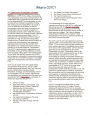
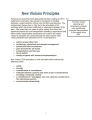
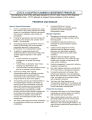
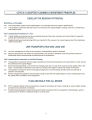
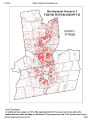
Show Why is the new plan important? In the past several months, the policy and fiscal aspects of the multitude of these New Visions activities have been reviewed and highlighted. One by one, CDTC's Planning Committee and subsequently the Policy Board have examined each of over a dozen draft New Visions 2030 elements that represent new draft regional policy on issues ranging from human service transportation coordination to "big ticket" initiatives. The CDTC Policy Board has now released these draft materials for public review. These new policy commitments include a handful of new planning and investment principles and a new financial plan, among other items, and will be additionally circulated for public comment between now and October 2007. Over the summer, CDTC staff will work with a "Quality Region Task Force" (which has been in place since the 2030 work started) to look for gaps in this new material and to help develop more polished summary materials for even wider public distribution. At its October Policy Board meeting, CDTC would then be asked to either adopt New Visions 2030, extend the public comment period, or both. The type of action would be dictated both by public comment received and by the work carried out with the Quality Region Task Force over the summer. The new plan will fully reflect the new planning requirements of SAFETEA-LU and ensure CDTC's full compliance with federal law. The content of the new plan is important. CDTC's track record for a decade is to abide by its policies and the draft set of expanded principles frames the way this region will look at such items as transit service, urban reinvestment, roundabouts, the scope of projects, treatment of Northway and other expressway congestion and highway widening issues in general. Public buy-in to the refined New Vision approach is critical. New Visions 2030 adoption also reflects a significant milestone along a long path. As noted, the bulk of the underlying philosophy was first fully articulated in the original New Visions plan in 1997. Since that time, CDTC and its members have been seriously engaged in implementing and refining the plan. In contrast to many other metro areas, the Capital District's physical landscape increasingly reflects the regional planning philosophy. CDTC's TIP (Transportation Improvement Program) reflects the plan and joint land use - transportation plans that have been developed in nearly 30 municipalities since the original New Visions adoption. The new plan broadens the scope and deepens the treatment of many issues. The incorporation of alternative growth and development scenarios into the plan has few parallels in the nation. The consideration of potential "big ticket" initiatives that would call for transportation investment of billions of dollars carefully frames a simultaneously cautious and creative policy framework. Cautious, because the plan does not commit to major system redesign or dramatic new services without the funds to support them. Creative, because the plan empowers CDTC members and others to continually explore big ideas. This innovative approach ensures that the Capital District maintains vision during periods of financial constraint. New official principles for the region are articulated for critical issues of safety, security and community context; consideration of roundabouts; tradeoffs between capacity and other project considerations; and a commitment to "managing" any new capacity considered on the expressway system. These, like the existing planning and investment principles, will not only keep transportation decisions in the Capital District focused on collective goals but will also serve as model statements for consideration elsewhere. Adoption of the plan - after further public review - will officially end one chapter and initiate a new one in the New Visions saga. New work is called for in the plan. Not the least of the next steps is joint effort at all levels of government to ensure that the modest, steady growth in real resources required by the plan is a reality. 6 |