| OCR Text |
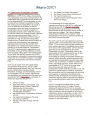
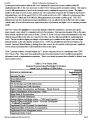
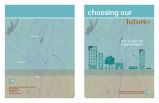
Show What is New Visions 2030? What is a Regional Transportation Plan? According to federal law, a Regional Transportation Plan (RTP or "plan") is a comprehensive long-range (20-30 year) plan for the transportation system of a metropolitan area, updated at least every four years by the designated Metropolitan Planning Organization (MPO). The RTP includes goals, objectives and policies. The RTP also recommends specific transportation improvements within a balanced budget. The Safe, Accountable, Flexible, Efficient Transportation Equity Act, A Legacy for Users (SAFETEA-LU) is the current transportation legislation that authorizes federal highway and transit funds and provides the underlying authority to MPOs such as CDTC. SAFETEA-LU added new responsibilities to CDTC's list and provided a July 2007 deadline for compliance. With this deadline in mind, the CDTC staff, Planning Committee and Policy Board accelerated work to allow CDTC to adopt a new RTP that complies with all provisions of SAFETEA-LU. What is New Visions? CDTC's plan is called "New Visions", reflecting the wholesale shift in planning philosophy that led to the first New Visions plan adoption in 1997 after several years of intensive technical work and public dialogue. Twenty-five bold principles gained the status of regional policy at that time and have guided planning and investment ever since. The impact of the New Visions plan - and the integration of environmental, fiscal, land use and community issues into transportation decisions that is at the heart of the New Visions principles - has been substantial over the past decade. New Visions has spurred 54 "Community and Transportation Linkage" joint planning studies in 30 municipalities with over $3,000,000 in funding. It has provided priority for a NY 5 "Bus Rapid Transit" and land use plan across five municipalities. It has "leveled the playing field" to allow local governments to compete fairly with the state for highway repair and upgrade funds. It has ensured that steady progress will be accomplished in all areas, even during times of financial shortfalls. It has funded dozens of "spot" bike and pedestrian accommodations, sidewalks and trails. It has put a priority on operating the system, leading to the first advanced regional transportation management center, road patrols and transit - highway information connections. And it has reconciled highway planning to be more realistic and better balanced with community character. One need only look at downtown Schenectady (with an economic renaissance supported in part by the major State Street Streetscape project enabled by New Visions), the Rensselaer Rail Station (funded in part by federal highway funds "flexed" by CDTC), rehab of I-87 and I-90 and other major roads, CDTA's new hybrid-electric bus fleet or similar projects to see the importance of New Visions. New Visions is a living plan that has a direct impact on planning philosophy and public investment. It is not a "shelf plan" in any respect, but has had great staying power - all 25 of the adopted principles were re-adopted in 2001, again in 2004 and are still valid today. What is New Visions 2030? The effort to go beyond the existing plan and create a "New Visions 2030" plan has been underway for a number of years, with continuous refinement and expansion of subject matter from that in previous plans. Public involvement has ranged from engagement in the dozens of "Linkage" studies at the local level to a recent Center for Economic Growth / SUNYA / CDTC / CDRPC (Capital District Regional Planning Commission) work documenting the fiscal impact on the region of several alternative growth scenarios for the next 30+ years. Will this region be stagnant, or grow by a quarter-million people or more? Does it matter if the cities survive? Can we make a difference through intelligent local planning? How vulnerable will the region be if there is an energy crisis? A long list of new areas for exploration for 2030 called for new technical work and new opportunities for public reaction. Over the past several years, five working groups examined issues ranging from local governmental practices to the "big ticket" question, from "larger than regional policy questions" to the high cost of reconstructing an aging expressway system. The working groups posed new policy questions with which the region must grapple. 5 |