| OCR Text |
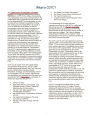
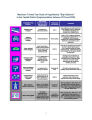
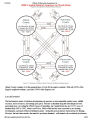
Show New Visions addresses issues that affect everyone Transportation Safety New Visions offers an integrated approach to reduce risk and enable safe access for everyone using the transportation system- especially bicyclists, pedestrians, children and the elderly. Transit Service New Visions incorporates CDTA's Transit Development Plan, which will improve and grow a variety of transit services for the Capital District, increasing mobility and supporting economic development and smart regional growth. One example is CDTC's investment in Bus Rapid Transit (BRT) on the Route 5 corridor. Highways and Bridges New Visions makes a strong commitment to keeping the region's highway and bridge system in good condition, providing $3.4 billion for highway rehabilitation, reconstruction and design and $1.8 billion in bridge maintenance, repair and replacement by 2030. Traffic Congestion New Visions explores ways to manage congestion, by using incident and traffic information technology to ease daily commutes. The Plan also encourages support for more transit, pedestrian and bicycle travel, which reduces vehicle traffic. Arterial Management New Visions endorses corridor transportation plans that call for a well-designed network of connected streets featuring pedestrian and bicycle treatments and transit access. Bicycle and Pedestrian Transportation New Visions encourages development that incorporates bicycle and pedestrian accommodations into highway construction as well as city, village and town plans and provides for recreational opportunities through creation of bike/hike trails. Environmental Quality New Visions supports energy conservation and air quality in the region by advocating sustainable development patterns and site design, urban reinvestment and community-based land use planning, along with transit, bicycle and pedestrian investments and strong participation in the Clean Cities program. Local Communities New Visions acknowledges the critical importance of land use and development. CDTC sponsors the Linkage Planning Program, which provides funding for cities, towns and villages to prepare community-based transportation and land use plans consistent with New Visions principles. Economic Development New Visions articulates regional economic development needs and the transportation investment needed to support sustainable regional economic growth. Freight Movement New Visions advocates congestion management and infrastructure investments that will support the movement of goods throughout the Capital District. Public Participation New Visions seeks public participation in the planning process. Collaborating on the Plan are the Quality Region Task Force, five working groups, the Bicycle and Pedestrian Task Force, the Goods Movement Task Force and the Finance Task Force as well as public involvement in the dozens of Linkage Studies at the local level. Security New Visions follows the lead of NYSDOT and CDTA with security-related issues in transportation planning. CDTC provides a forum for operational discussions related to the safety and security of the Capital District transportation system. 18 New Visions principles follow four themes: • Preserve and manage the existing investment in the region's transportation system. • Develop the region's potential to grow into a uniquely attractive, vibrant and diverse metropolitan area. • Link transportation and land use planning to meet the Plan's goals for urban investment, concentrated development patterns and smart economic growth. • Plan and build for all modes of transportation, including pedestrian, bicycle, public transit, cars and trucks. making a quality region> What makes a quality region? A quality region considers health, the economy and the environment within an overall framework of land use planning and transportation policies. Creating and sustaining a quality region in the Capital District is central to the direction of New Visions toward urban investment, concentrated development patterns and smart economic growth. People agree that a quality region: • Develops and sustains healthy urban, suburban and rural communities that function interdependently and readily adapt to change • Creates economic, educational, social, cultural and recreational opportunities • Provides safe neighborhood environments and housing choices for all • Protects sensitive environmental resources • Fosters community identity and "a sense of place" in all parts of the region 17 |