| OCR Text |
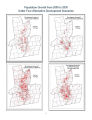
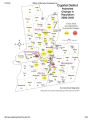
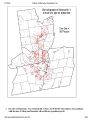
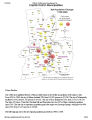
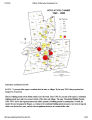
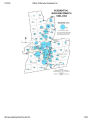
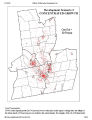
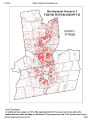
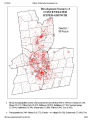
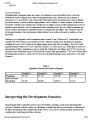
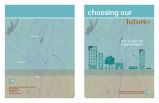
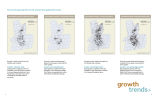
Show Introduction The future is already here; its just not evenly distributed. - William Gibson Scenario planning is intended to prod people to think more broadly and view events with a new perspective. - Joel Garreau The Capital District is a region at a critical crossroads. With the specter of increased development pressure, the region is being challenged to assess its ability to accommodate growth in a sustainable manner. The Capital District Transportation Committee (CDTC), as part of the "New Visions" plan update, has been examining the regional transportation/land use issues and policies that directly affect this sustainability. This report is part of that effort. Its primary purpose is to explore the population and land use patterns and implications of four different future development scenarios in the region. The first development scenario is based on the Capital District Regional Planning Commission's (CDRPC) 2040 regional population projections by Transportation Analysis Zone (TAZ). This scenario is considered the baseline scenario, as it is what the CDRPC staff considers to be the most realistic scenario based on historic population and development trends and existing policies. This scenario will be called "Development Scenario 1 - Status Quo Trend." The second scenario uses the same regional growth rates as projected by CDRPC under Scenario 1, however the rates are applied to each TAZ in proportion to their existing population, which has the effect of constraining the spread of growth in outlying areas and increasing growth in the existing urbanized areas. This scenario is called "Development Scenario 2 - Concentrated Growth." The third scenario will explore the regional growth patterns that could result if the region grew at the same rate of growth as projected for the United Stated as a whole from 2000 to 2040. This scenario will distribute the growth within each county based on the proportional share of growth each county is projected to receive under CDRPC's baseline projections. The spatial distribution will also be constrained by density caps and environmental limitations. The general effect of this scenario is an extensive spread of growth into currently undeveloped areas and minimal growth in older urban areas. This scenario will be called " Development Scenario 3 - Trend Hyper-Growth." The fourth and final scenario, similar to Scenario 3, will explore the regional growth patterns that could result if the region grew at the same rate of growth as projected for the United Stated as a whole from 2000 to 2040. However, instead of distributing the growth within each county proportionate to CDRPC's baseline projections, the growth in each TAZ would be scaled in proportion to the overall regional rates of projected growth. The distribution of growth would be constrained by environmental factors; however there would be no density caps. The general effect of this scenario is a large amount of the regional growth would be concentrated, at higher densities, in the already developed and the newly developed areas within the region. This scenario will be called 1/7/2010 Effects of Alternative Development Sc… cdtcmpo.org/policy/june07/wa-doc.htm 3/60 |