| OCR Text |
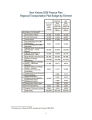
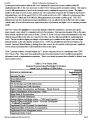
Show System preservation numbers indicate the cost to maintain the system in its present condition while full implementation refers to the costs necessary to achieve New Visions goals for pavement condition. The range in costs for full implementation is based on the strategies used to maintain the expressway system. The higher number in the range is based on more extensive use of reconstruction assumed in the Working Group B report. Expanding these costs for the period 2005 to 2030 results in total costs of $2.3 billion for system preservation, and between $3.9 billion and $4.6 billion for full implementation of pavement condition goals. The CDTC Infrastructure task force found that pavement rehabilitation costs are affected by the traffic levels; that is, higher vehicles miles of travel will result in more rapid deterioration of pavements and higher costs to maintain pavement quality. The New Visions Plan highlighted a concern that funding available for maintenance, operation and capital improvements varies widely by community and level of government. One important example of this is that many urban arterials outside the cities (such as Route 5, Route 20, Route 146) are owned and maintained by the state, while the same facilities in the cities are owned by the cities, who have full responsibility for maintaining these roads. This has resulted in higher percentages of pavement in poor condition in the region's cities and higher financial burdens on the cities than the suburban towns. CDTC has identified the need for investment in city arterials. Increased federal funding or funding from other sources for city arterials would represent a significant tool for urban reinvestment that would benefit all travelers in the region. Table 2 presents estimates of annual budgets for 17 project categories based on commitments in the CDTC New Vision s Plan. These have been updated from previous plan estimates based on inflation and updated information based on implementation experience. These costs include programs that are funded by federal, state and local fund sources. Table 2: New Visions 2030 Regional Transportation Plan Budget By Element Annual Costs, in Millions of 2006 Dollars REGIONAL PROGRAMS 2030 Full Implementation Annual Cost Intermodal Facilities 50.0 Transit Infrastructure 15.8 Transit Service 63.0 ITS (Technology) and Traffic Infrastructure 10.3 ITS (Technology) and Traffic Operations 5.0 Highway Rehab, Reconstruction and Redesign -- Priority Network 164.9 Highway Rehabilitation & Reconstruction - Other 20.7 Bridge Rehab & Reconstruction 82.1 Highway and Bridge Maintenance 217.9 Strategic Highway and Bridge Actions -- CMS-based (capacity) 12.0 Strategic Highway and Bridge Actions - Economic Development /Community Compatibility 10.0 Supplemental Goods Movement Accommodations 5.1 Supplemental Bike & Pedestrian Accommodations 3.7 Supplemental Access Management Actions 0.7 Supplemental Safety Actions 5.3 1/7/2010 Effects of Alternative Development Sc… cdtcmpo.org/policy/june07/wa-doc.htm 46/60 |