| OCR Text |
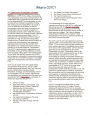
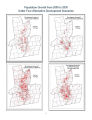
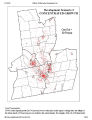
Show A bold outlook for the Capital Region New Visions asks everyone to look at the region's transportation planning in a new way- to examine our strengths, evaluate our existing resources and imagine implementing big initiatives. This is not a static plan, but a living document whose regional transportation policy recommendations will require continued strong public support and visionary leadership in order for the region to benefit. Reaching consensus about what we want New Visions reflects a regional consensus of residents, businesses, state and local government representatives and transportation providers to use transportation and public policy to: • Promote sustainable economic growth with good-paying jobs • Revitalize urban areas • Help build community structure in growing suburbs • Preserve open space and agricultural land • Make communities more walkable and livable • Provide meaningful transit options • Connect all residents with job opportunities • Manage increasing traffic congestion and maintain reasonable mobility on the highway system • Encourage land use and transportation planning Encouraging concentrated growth is a long-term process that demands bold leadership and regional cooperation. The Big Ticket Initiatives are proven methods for guiding growth and creating a more connected region. -- Center for Economic Growth report on Alternative Futures for the Capital Region a bold outlook> " " 3 Are we there yet? The Capital District is a region at a critical crossroads. Decisions about where to locate vital services, such as water, sewer and transportation directly affect regional growth- and future economic vitality. Understanding the likely effects of growth and change on the region is essential to identifying decisions the region's leaders might make to meet the goal of sustainability in the Capital District. To explore the possibilities, CDTC and its partners at the Capital District Regional Planning Commission (CDRPC), SUNY Albany and the Center for Economic Growth (CEG) analyzed four possible growth scenarios based on realistic assumptions about the region. The analysis explored where people might live in the region along with land use alternatives in order to examine the what ifs: what if land use development could be guided so that residential areas and transit were located closer together? What if jobs, services and housing were concentrated in urban centers? Each scenario was assessed for its potential impacts on the cost of the transportation system, potable water supply and distribution, wastewater collection and treatment, primary and secondary education, and fire protection and emergency medical services. A range of trends and related impacts, both regional and national, was also considered. These trends included the aging population, movement of people in and out of the region, technology, uneven development patterns and increased oil consumption despite the threat of dwindling reserves. 4 |