| OCR Text |
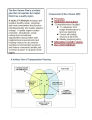
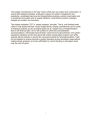
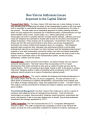
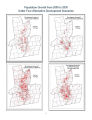
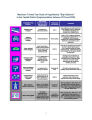
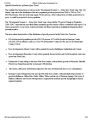
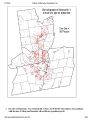
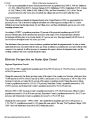
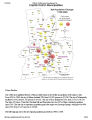
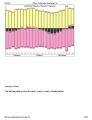
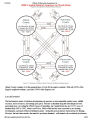
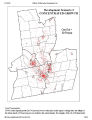
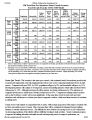
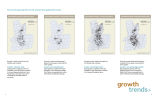
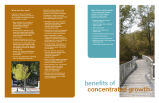
Show What does this mean? If growth continues with sprawl development, as shown in Scenarios 1 and 3, residents and businesses in the Capital Region can expect: • More congestion: Up to a tripling of traffic congestion can be expected, with worsening conditions in critical corridors, including the Northway. • Reduced mobility: Although current transit service would remain available, the scattered development pattern will mean more people will be without access to transit. • Increased travel times: Up to a 22% increase, even with modest travel growth. • Increased spill-over: More traffic on the region's main roadways will push traffic onto suburban roads, causing congestion and extending travel times for residents in outlying areas. • Greater costs: There are few efficiencies for providing essential services under these scenarios. • Less open space: Development sprawl will reduce the availability of open space. If growth continues under a Smart Growth planning framework, as in Scenarios 2 and 4, which concentrates development in urban centers and around transit, residents and businesses in the Capital Region can expect: • Manageable congestion: Concentrated growth leads to less traffic congestion than dispersed growth; traffic congestion will be mitigated by other planning decisions. • Improved transit service: Locating people and jobs closer to transit will promote an increase in transit trips and service. • Reduced dependence on driving: Transit-oriented development would contribute to a reduction in driving and traffic congestion in corridors where Bus Rapid Transit service is located. • Improved mobility: A managed lane on the Northway dedicated to bus service and other high-occupancy vehicles will ease commuting. • More open space: By concentrating growth in urban and suburban centers, open spaces will be preserved, creating the potential for a regional greenway. • Better access: More compact development encourages walking and bicycling and improves accessibility to services. • Lower maintenance costs: Concentrated development reduces the need for additional mileage of residential streets, reducing the scale of maintenance requirements. • Efficiency of services: The delivery of goods and services is eased under the concentrated growth scenario, adding economic advantages. 7 New Visions recommends a Concentrated Growth pattern, which offers important benefits: • Managed congestion with more commuting options • Improved transit service and better access to transit • Vibrant urban places • Important job growth in the region's cities • Increased pedestrian and bicycle access • Preservation of open spaces • Improved recreational opportunities • Significant savings in non-transportation infrastructure costs • A high quality transportation system benefits of concentrated growth> 8 |