| OCR Text |
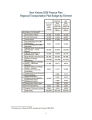
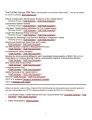
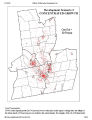
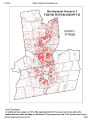
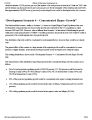
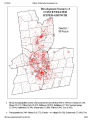
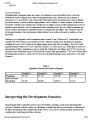
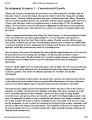
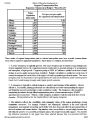
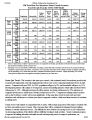
Show PM Peak Hour For Alternative Future Growth Scenarios Travel Results From the CDTC STEP Model Population Households Vehicle Miles Traveled Vehicle Hours of Travel Excess Vehicle Hours of Delay Excess Vehicle Hours of Delay per person x 1000 Vehicle Operating Cost Average Speed (mph) Year 2000 794,293 318,255 1,791,978 53,655 5,504 6.9 $ 659,723 33.4 Status Quo Base 2030 867,000 366,081 2,029,573 65,195 9,065 10.5 $ 749,580 31.1 Trend Growth 2000- 30 9% 15% 13% 22% 65% 51% 14% -7% Concen- 2030 Value 867,000 368,537 1,888,404 57,958 6,531 7.5 $ 695,175 32.6 trated Growth Growth 2000- 30 9% 16% 5% 8% 19% 9% 5% -2% From Base 0% 1% -7% -11% -28% -28% -7% 5% Trend 2030 Value 1,023,634 430,008 2,390,310 85,303 16,722 16.3 $ 892,284 28.0 Hyper Growth Growth 2000- 30 29% 35% 33% 59% 204% 136% 35% -16% From Base 18% 17% 18% 31% 84% 56% 19% -10% Concen- 2030 Value 1,023,633 433,385 2,164,419 74,954 13,649 13.3 $ 803,045 28.9 trated Hyper Growth 2000- 30 29% 36% 21% 40% 148% 92% 22% -14% Growth From Base 18% 18% 7% 15% 51% 28% 7% -7% 1. "Excess vehicle hours of delay" represents hours of congested travel time, specifically travel time beyond the travel time that would be needed at level of service "D". 2. Operating costs are calculated in 2006 dollars assuming current fleet fuel economies and are based on congested driving conditions represented in the model. The future cost of gasoline and future levels of fuel economy are highly speculative, yet the operating costs shown here provide a comparison between growth scenarios. Higher operating costs would correspond to higher fuel consumption and higher greenhouse gas emissions. Status Quo Trend-This scenario is the status quo scenario, with continued steady but moderate growth in the economy and employment, and with employment growth in some sectors outpacing employment losses in other sectors. Compared with year 2000, by 2030, population will grow by 9%, and households will grow by 15%. Development patterns will continue to be dispersed, and travel modeling indicates vehicle miles traveled (VMT) will increase by 13%. Although travel growth will be modest, travel time will increase by 22% and hours of congested travel (excess vehicle hours of delay) will increase by 65%. Congestion in existing critical corridors such as the Northway corridor will worsen significantly. At the same time, travel on rural roads and outer suburban roads will increase at a faster pace than in congested corridors, while travel times increase for residents in outlying areas. Transit service will continue at comparable levels as today, while a larger proportion of the region's residents will not have reasonable access to transit. This is because there will be continued development beyond walking distance to arterials with transit service. The difficulty for those without cars having access to jobs will increase. An increasing population of the elderly will have difficulty traveling to daily activities. Steady continued progress is expected in building sidewalks and multi-use trails and improving street crossings for pedestrians, yet 1/7/2010 Effects of Alternative Development Sc… cdtcmpo.org/policy/june07/wa-doc.htm 55/60 |