| OCR Text |
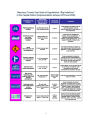
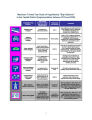
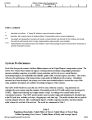
Show CDTC'S 31 ADOPTED PLANNING & INVESTMENT PRINCIPLES DEVELOP THE REGION'S POTENTIAL Build Upon our Strengths 20) The transportation system of the Capital Region is an important part of the region's attractiveness. 21) Transportation investments will help preserve and enhance the Capital Region's existing urban form, infrastructure, and quality of place. Use Transportation Investment as a Tool 22) Transit facilities and services can be an essential element of the social, economic and cultural fabric if supportive policies and investments are in place. 23) Neighborhood-based local planning efforts are important to the success of an overall regional plan that emphasizes livable communities. LINK TRANSPORTATION AND LAND USE 24) Land use management is critical to the protection of transportation system investment. 25) Design of street layout and location of complementary uses creates a pedestrian scale and provides increased accessibility without compromising the attractiveness of development. Link Transportation Investments to Land Use Planning 26) Transportation investments will encourage residential and commercial development to locate within an Urban Service Area defined for the Capital Region. 27) Environmental stewardship is one of CDTC's emerging roles and is crucial to the success of and quality of life in this region. Transportation investments must improve or preserve the region's cultural and natural environment. 28) Transportation investments will not encourage development in environmentally sensitive areas and will help to preserve rural character. 29) Arterial management guidelines will be flexible enough to deal with the Capital Region's various roadway types and the specific land use patterns surrounding them PLAN AND BUILD FOR ALL MODES 30) CDTC's planning efforts will be comprehensive enough to encompass all modes, including air, water, freight, intercity and local transit, pedestrian and bicycle. 31) Possible bicycle/pedestrian-related improvements will be considered from the perspective of developing a system -- not just based on whether a particular facility is currently used. 24 |