| OCR Text |
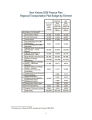
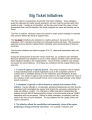
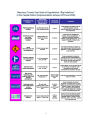
Show estimate the world holds. What's more, the half that already been used was the easiest to extract and of the highest quality. The remaining half will be more difficult and costly to remove and refine. Experts estimate that if all the world's remaining oil could be extracted, which is unlikely given the quality and difficulty of extracting what's left, that the world's oil reserves will be completely depleted in the next thirty-seven years (which is near the out-year, 2040, of this study's growth scenarios). In the meantime, there will likely be wild fluctuations in price and much political and social turmoil as protracted fuel shortages become common. The available data on global oil use, availability and production points to a future that may be much different from the present. Some people hold out hope for technological salvation - that new energy technologies will emerge that provide an alternative to fossil fuels. However, this outcome is far from guaranteed. Most of the technologies that are being researched, such as hydrogen, ethanol and bio-fuels are proving, so far, to require more energy to produce than they will actually provide in fuel. And even if new replacements to oil can be invented, the transition will likely be rough, and the replacement fuel(s) will most likely fall far short of the price and productivity of fossil fuels, which will mean that even with fossil fuel alternatives, we will still need to alter our present patterns of spread out building and long distance traveling. Transportation Impacts An important part of the analysis of the of alternative growth and development scenarios for the Capital District is an assessment of the transportation impacts. The CDTC STEP Model was used to evaluate the impacts of each scenario to the transportation system. In addition to this quantitative analysis, qualitative assessment was made of some performance measures, such as quality of life. The work of Working Group C was included to consider the impacts of Big Ticket Initiatives on transportation performance. The Big Ticket Initiatives are not funded in the existing Plan. However, the likelihood of implementation of these initiatives is affected by the alternative growth scenarios. Basic Infrastructure Reinvestment Expenses Cost is currently a critical transportation issue. Projected costs for maintenance, operations, and reconstruction are staggering. Preliminary budget estimates for system rehabilitation indicate that the cost to maintain the region's highways has increased 40% in the past six years. Funding support is not keeping pace. As part of the development of the New Visions 2030 Plan, CDTC convened the Finance Task Force to assess transportation costs and potential revenue sources in the region for the next thirty years. Cost for the highway rehabilitation and reconstruction were updated from the original New Visions Plan using the following steps: 1. Identifying appropriate unit cost adjustments to reflect inflation through 2006. 2. Incorporating the latest pavement condition information into the CDTC model. 3. Running the model for various classes of highways 4. Integrating the results with those from New Visions Working Group B (the Expressway System Options working group) or otherwise reconciling the differences. 1/7/2010 Effects of Alternative Development Sc… cdtcmpo.org/policy/june07/wa-doc.htm 45/60 |