| OCR Text |
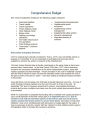
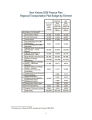
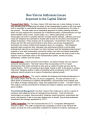
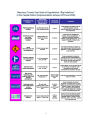
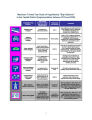
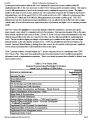
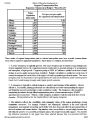
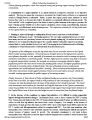
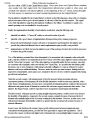
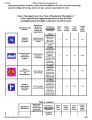
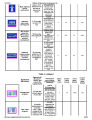
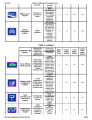
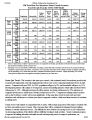
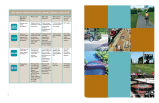
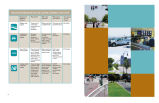
Show the slow rollout of BRT in the Capital District cannot. Forty years from now Capital District residents may wonder why their region lacks the transportation infrastructure evident in other areas and conclude that planners and elected officials at the beginning of the 21st century lacked foresight. For that reason, it is important to at least consider big initiatives for the Capital District. The big initiatives identified for the Capital District are listed on the following pages, along with cost estimates and an assessment of how good a fit each initiative is with each of the four growth scenarios. The capital costs of the big initiatives range from the hundreds of millions to the billions. In addition to capital costs, annual operating costs are identified for several projects. Finally, the implementation feasibility of each initiative is indicated, using the following scale: * plausible but unlikely. A "heavy lift" relative to rate and location of growth. ** plausible, with a good chance of implementation if transportation policy remains progressive. *** the growth and development scenario will create a strong interest and demand for the initiative and provide the political and financial clout to make implementation quite possible, even probable. **** implementation very likely because the initiative is part of the package of actions that would be necessary to achieve the growth scenario. Two of the initiatives presented have been determined to be inconsistent with community values and public policy, and they will not be recommended in the New Visions 2030 Plan: major highway system construction and the "take a lane" program. Any of the other initiatives are plausible under the base scenario, since they are consistent with community values and with the New Visions Plan. It is possible that after further public discussion, one or more champions could emerge and public willingness to come up with pay for a given initiative could secure additional funding. However, under the status quo trend scenario, funding levels are expected to remain limited, and in many cases, demand for the new services would be marginal with existing growth levels and patterns. Under the second scenario, with existing trends of growth, increased urban investment and more concentrated patterns of development, all of the feasible alternatives would become more plausible, with a better chance of implementation, because more concentrated development patterns would provide increased efficiencies and greater levels of demand in corridors that can better support transit and other modes. One initiative, Bus Rapid Transit, could be expected to have strong interest and demand and feasibility. The third scenario, with hyper growth occurring in highly dispersed patterns, would in some cases increase the feasibility of big initiatives compared to the second scenario, primarily because of increased levels of demand and potentially higher levels of revenue resulting from that demand. However, in other cases, even with increased demand, the feasibility would be no greater than the second growth scenario because of reduced efficiencies. In most cases, the fourth growth scenario, hyper growth with increased urban investment and more concentrated development patterns, provides the best opportunity to support the big initiatives. This is because this scenario would provide higher levels of demand and correspondingly higher revenues; and 1/7/2010 Effects of Alternative Development Sc… cdtcmpo.org/policy/june07/wa-doc.htm 50/60 |