| OCR Text |
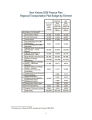
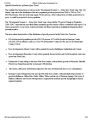
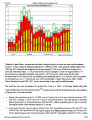
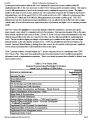
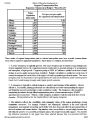
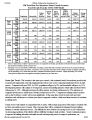
Show Regional Transportation Plan Expansion / Enhancement Budgets "Fiscal Reach" Future Population (thousands) Cost per year per capita for expansion and enhancement Albany 832 $ 50 Atlanta 4,814 217 Austin 2,071 158 Baltimore 2,741 79 Buffalo 1,252 51 Columbus 1,645 81 Nashville 1,471 100 Phoenix 6,140 76 Pittsburgh 2,687 156 Portland 1,667 128 Raleigh-Durham 1,534 117 San Diego 3,855 226 Seattle 4,536 364 Tucson 1,400 85 These studies of regional transportation plans in selected metropolitan areas have revealed common themes about what is required to implement big initiatives. These themes or conditions are listed below 1. A sense of urgency is typically present. This sense of urgency may be related to long-standing issues of great magnitude (such as the congestion present in London prior to areawide pricing) or to an experience and atmosphere of rapid growth. Congestion pricing on SR91 in California is justified on the basis of rapid declines in service quality and projections of gridlock. Raleigh's rail initiative is justified not on the basis of current development but on the basis of the region's #6 rank in population growth in the nation. This sense of urgency may not be present in the Capital District for many of the initiatives under current growth trends, but it could emerge strongly under higher growth scenarios. 2. A champion is typically a critical element as catalyst and sustainer of the initiative. Elected officials or, occasionally, planning professionals are often directly associated with marshalling the support and forging the necessary partnerships to make an initiative a reality. The champion is often essential to shepherding the initiative through difficult implementation phases of environmental analysis, NIMBY opposition and cost increases. Without a visible champion, an initiative could die easily in the face of such obstacles. The big initiatives for the Capital District will require champions. 3. The initiative reflects the sensibilities and community values of the region, producing a strong community consensus. For example, Portland's and Minneapolis' initiatives in the areas of growth management, environmental stewardship and livability both draw from and reflect the personal priorities of the local residents and business leaders. Big initiatives today are not likely to succeed simply because they fall within the purview of a powerful government agency; they require broad public support. The feasible big initiatives presented in this paper have been selected because they are consistent with New 1/7/2010 Effects of Alternative Development Sc… cdtcmpo.org/policy/june07/wa-doc.htm 48/60 |