| OCR Text |
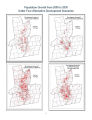
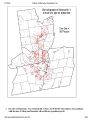
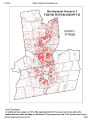
Show - are some of the same characteristics that make this land well suited for development. Suburban development pressure has served to expedite the demise of struggling farms along the urban fringe since the temptation to sell to a developer is often too great to resist given the financial challenges, in particular to the region's small dairy farms. Suburban development often creates addition financial pressure on already struggling farmers. For example, new development often creates the need for additional municipal services, which in turn causes an increase in the property tax rate. Farmland in areas under development pressure often becomes assessed and taxed based on its development potential rather than its potential for farming. Additional pressure also comes in the way of conflicts between new suburban residents and existing farms. Many suburban residents are unprepared for the smells, sounds and activities that are normal occurrences in rural farming areas, although right-to-farm laws protect these activities. Farmland located within an agricultural district provides farmers with protections and safeguards from these outside intrusions. Landowners may also be eligible for agricultural assessments for farmland (in and outside agricultural districts) that reduces their property tax burden since the value of the land, for tax purposes, is based on its use and not market potential. Development Scenarios The following growth scenarios are "what-if" conceptual explorations that will allow Capital District policy makers to consider the regional growth implications of three alternative development scenarios. These are not predictions or recommendations; only what-if scenarios that evaluate the various effects of low, concentrated growth; high, dispersed growth; and high, concentrated growth. The following section will quantify the growth of the different development scenarios. "Development Scenario 2 - Concentrated Growth" A special set of TAZ projections has been prepared for this scenario, which apply the regional growth rates derived from CDRPC's original MCD Projections for each growth year to the 2000 Census populations of each 1/7/2010 Effects of Alternative Development Sc… cdtcmpo.org/policy/june07/wa-doc.htm 23/60 |