| OCR Text |
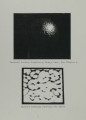
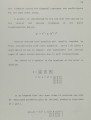
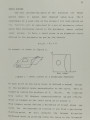
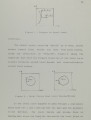
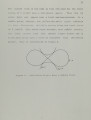
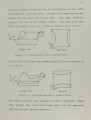
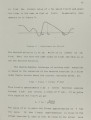
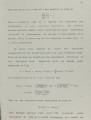
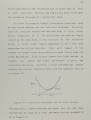
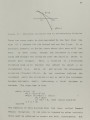
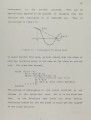
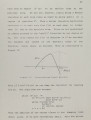
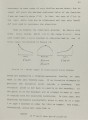
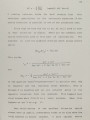
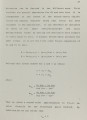
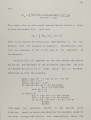
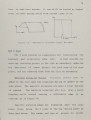
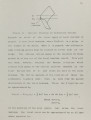
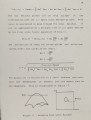
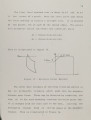
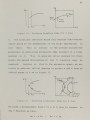
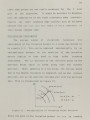
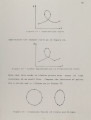
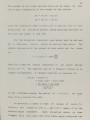
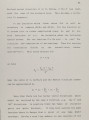
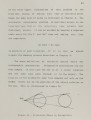
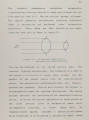
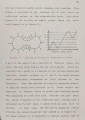
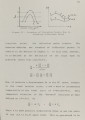
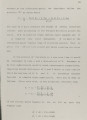
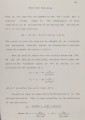
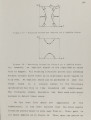
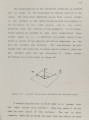
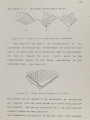
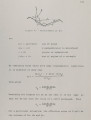
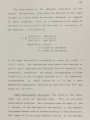
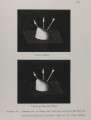
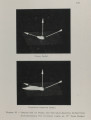
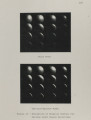
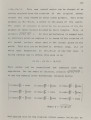
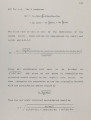
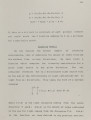
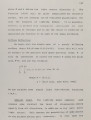
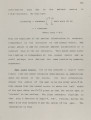
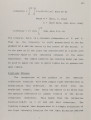
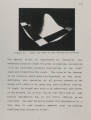
Show 152 There are two problems with the idealized form of this technique shown above. Firstly, the weighting function in question extends to infinity in all directions, while the picture does not. Merely truncating the function at the edges of the picture results in a frequency filter which is no longer ideal. Secondly, the function has regions where it is negative. It is therefore possible to have a picture which, when filterd, produces picture elements of negative unit length surrounding the element. Examination of its intensity. For the usual application, filtering audio functions, this is not serious. For pictures, however, it is meaningless. Again, simply setting negative intensities to zero would destroy the ideality of the filtering process. For these reasons, an ideal low pass filter is undesirable for visual anti aliasing. In the practical case we must use approximations to the ideal filter which do not have its undesirable properties. A practical filter must have a weighting function which is positive everywhere, and which is zero at large distances from its center. Two such filters which have been used are the Fourier window function and the Bartlett window function. The Fourier window has a value of 1.0 in the region tl/2 of the picture element and is zero everywhere else. It is shown in figure 52. Use of this function corresponds to taking an equally weighted average of the intensities in the square region of filtering properties indicates that it is only fair at removing high frequencies. The Bartlett window, first used |