| OCR Text |
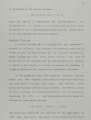
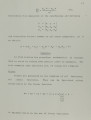
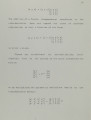
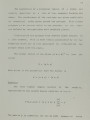
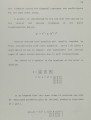
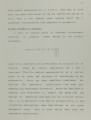
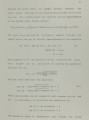
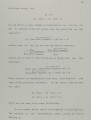
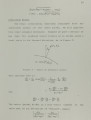
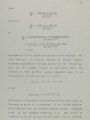
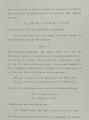
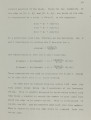
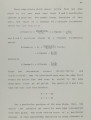
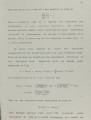
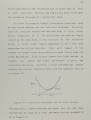
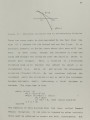
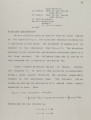
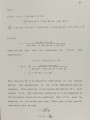
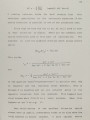
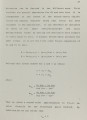
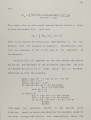
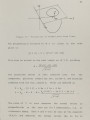
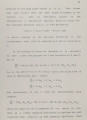
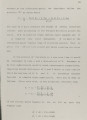
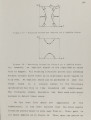
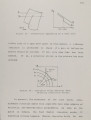
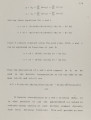
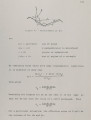
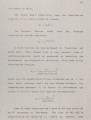
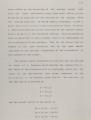
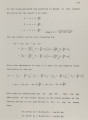
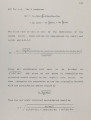
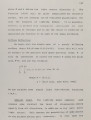
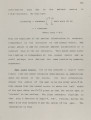
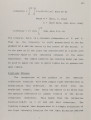
Show 82 Then the second order Taylor approximation to X in this param@tric direction is X(u,v) Solving this for a gives the desired distance to increment the initial guesses from uO,vO. / X-Xo a = ± / I 1 1 2 Yv2 Xuu - Yu Yv Xuv + 2 Yu2 Xvv Note that the expression under the radical contains the one which signalled that this was a "left" edge. Therefore, for left edges the square root will be defined only for X>XO (as is the case for left edges). After entering any nw activ@ intersection points, all points must then be updated to correspond to the nw pixel position. This is done by the bivariate algorithm applied with F(u,v)=Y(u,v)-Ypixel and G(u,v)=X(u,v)-Xpixel. The bivariate iteration can fail due to two causes. Being caught at a local maximum in X corresponds to hitting a right silhouette edge. There should be a pair of points which does this. Iterating off the boundary of the patch corresponds to hitting a right boundary edge. In each case the intersection points should be removed from the active list. Comparison and matching with the right silhouette and boundary edges is really not necessary, and, in fact, the |