| OCR Text |
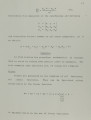
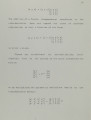
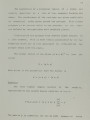
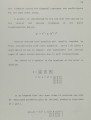
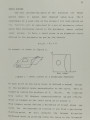
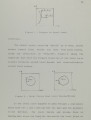
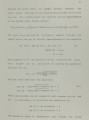
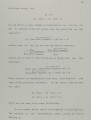
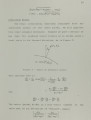
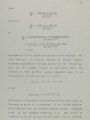
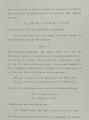
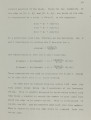
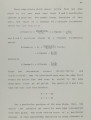
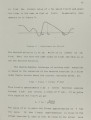
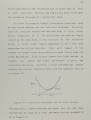
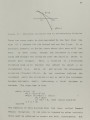
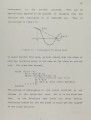
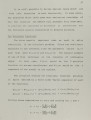
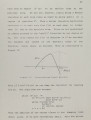
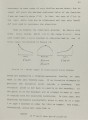
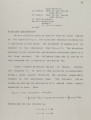
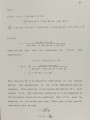
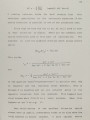
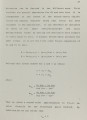
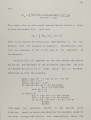
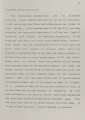
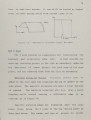
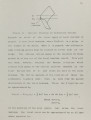
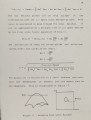
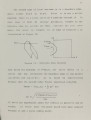
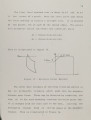
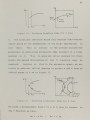
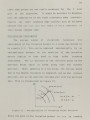
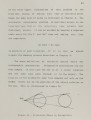
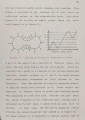
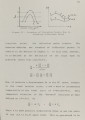
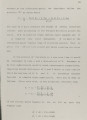
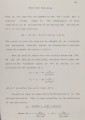
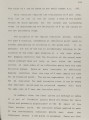
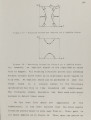
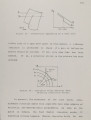
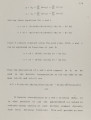
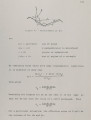
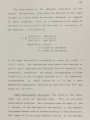
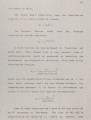
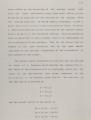
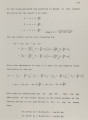
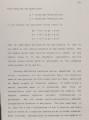
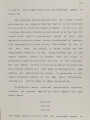
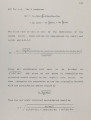
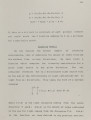
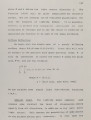
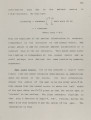
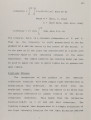
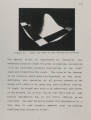
Show 122 The final factor in the specular reflection is the Fresnel reflectivity. This gives the fraction of the light incident on a facet which is actually reflected as opposed to being absorbed. This is a function of the angle of incidence on the microfacet and the index of refrction of the substance. It is given by F l [sin2(-e) + 2 tan2(-e)1 sin2(-e) tan2(-e) where sine sin/n angle of incidence n = index of refraction In our case, the angle of incidence is given by cos() (L.H) = (E.H). The interesting thing about this function is that it has a substantially different form for metallic ·vs. nonmetallic substances. For metals, corresponding to large values of n, F(¢,n) is nearly constant at 1. For nonmetals, corresponding to small values of n, it has a more exponential appearance, starting out near zero for =0 and going to 1 at =/2. Facet distribution functions. One thing in the above model can still be improved upon. This is the facet distribution function. This function takes an angle, , and a measure of the shininess of the surface, c, and computes the proportionate area of facets pointing in that direction. The angle is the angle between Hand Ni we can evaluate |