| OCR Text |
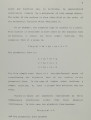
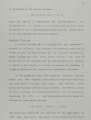
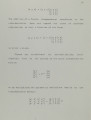
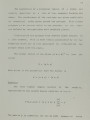
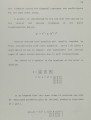
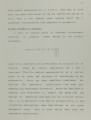
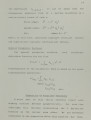
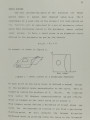
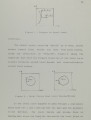
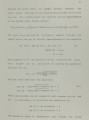
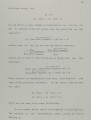
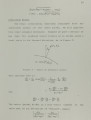
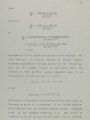
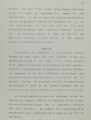
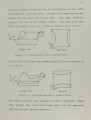
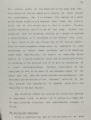
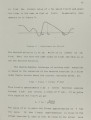
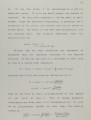
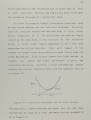
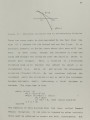
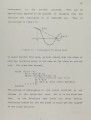
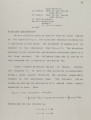
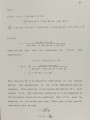
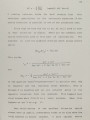
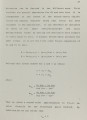
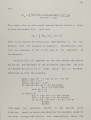
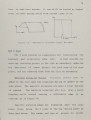
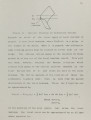
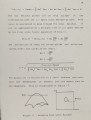
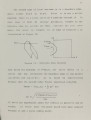
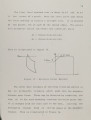
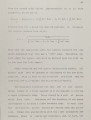
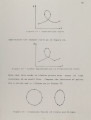
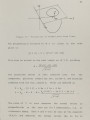
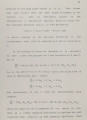
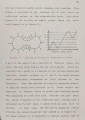
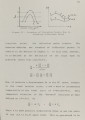
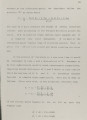
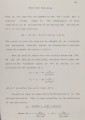
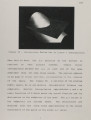
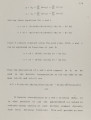
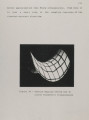
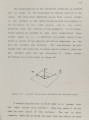
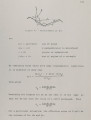
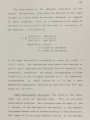
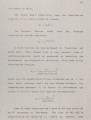
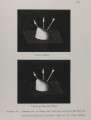
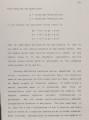
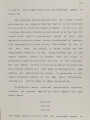
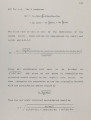
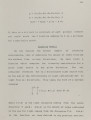
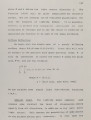
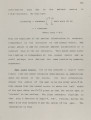
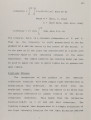
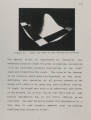
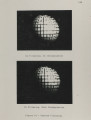
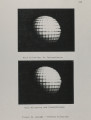
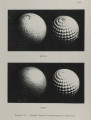
Show 115 the vector E is a constant. These simplifications are not assumed in the derivations to follow. For high quality images, the vectors E and L must be re-computed for each picture element from the physical locations of the eye, light, and viewed point on the surface. In many cases, however, the constant Land E simplification is sufficient. Many of the expressions to be developed then only need to be computed once per frame. simulates an ideal diffuse reflector. surface will diffuse incident Tis states that light equally in the all Diffuse reflection. The simplest and most commonly used light reflection function is Lambert's law, which directions. Differences in the visible intensity are then caused by the different amounts of incident light per unit, area intercepted by portions of the surface at different angles to the light source. This will be proportional to the cosine of the angle between the normal to the surface, N, and th vector to the light source, L. This cosine is evaluated by taking the dot product of the two vectors after normallizing them to a length of 1. If this dot product is negative it means that the viewer is on the opposite side of the surface from the light source. The reflected intensity should then be zero. intensity max(O,N·L) |