| OCR Text |
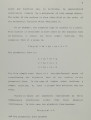
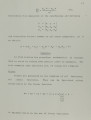
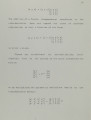
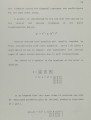
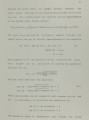
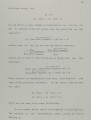
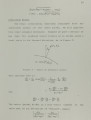
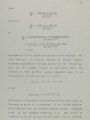
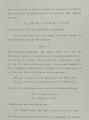
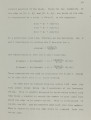
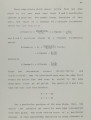
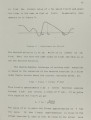
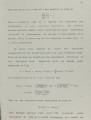
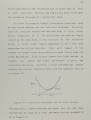
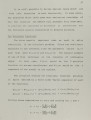
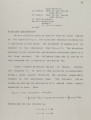
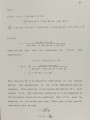
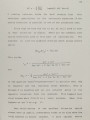
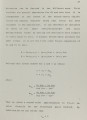
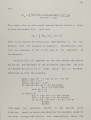
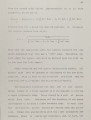
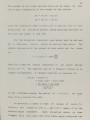
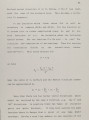
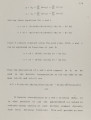
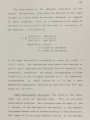
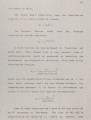
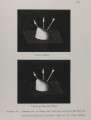
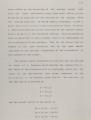
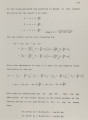
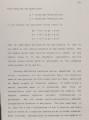
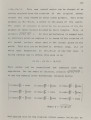
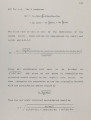
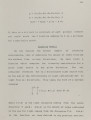
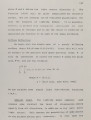
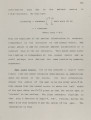
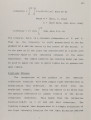
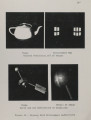
Show 57 It is still possible to devise special cases which can ause· this algorithm to work incorrectly. In some sense, any algorithm which lacks some more omniscient knowledge of how the function can behave will probably fail sometimes. In practice the algorithm as described is sufficinent for the functions usually encountered in drawing pictures. Two Bivariate Functions The other equally important case we need to solve numerically is the bivariate problem. Given two non-lineor equations in two unknowns, find the parameter values (u,v) sch that both F(u,v)=O and G(u,v)=O. The typical example of use of this technique is the tracking of silhouette edges. In that case, F(u,v) would be the Y position function (in screen coordinates) and G(u,v) would be the Z component of the normal to the surface. The iteration formula for bivariate function solution is again derived by a first order Taylor expansion of each of the functions. F(u,v) F(uo,va) + (u-ua)Fu(ua,va) + (v-vo)Fv(ua,va) G (u ,v) G (u a ,va) + (u -u a ) Gu (u a .v s ) + (v-v a ) Gv (u a , va) Setting these expressions to zero and solving for u and v F Gv - Fv G Ua - FuGv - FvGu FuG - F Gu Va - FuGv - FvGu |