| OCR Text |
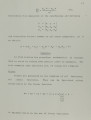
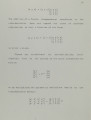
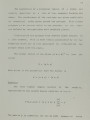
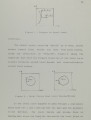
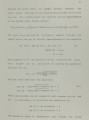
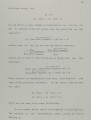
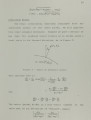
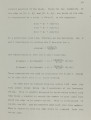
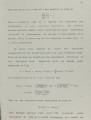
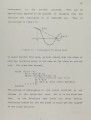
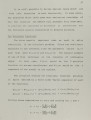
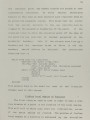
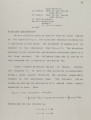
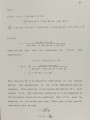
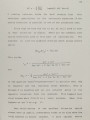
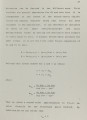
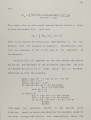
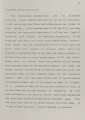
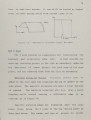
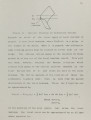
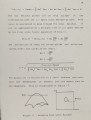
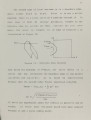
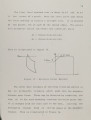
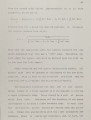
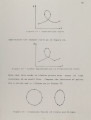
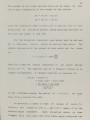
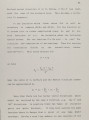
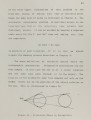
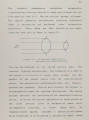
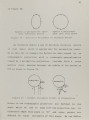
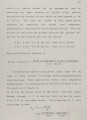
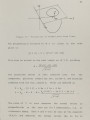
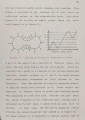
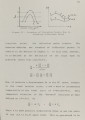
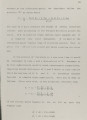
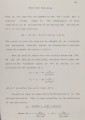
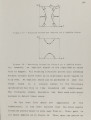
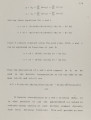
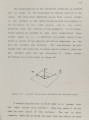
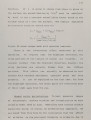
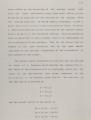
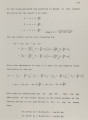
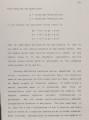
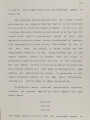
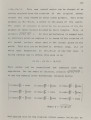
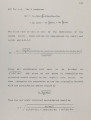
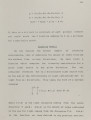
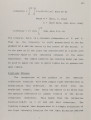
Show 144 contribution just due to the ambient source is I(e,)=constant. We then have intensity TI/2 2TI constant I I cos sin· de d o 0 TI constant where cos = N·L Thus the magnitude of the ambient illumination is constant, about the center of the source. For this integration, independant of the direction of the normal vector. The proper amount to add for constant ambient illumination is a constant bias to the net intensity. This makes sense since the lighting is independant of the normal vector and we could perhaps have derived the same results by symmetry arguments. Spot light source. Let us now consider a source ·with finite size but whose intensity distribution is symmetrical choose the center of the spot to be the polar axis, ¢ =0. Also assume that the normal vector is above the half width of the spot above the =rr/2 plane so that the entire spot is "visible" to the surface. The light intensity function is then only a function of angle, I(). Fnally, define the angle as that between N and the center of the spot. The integration is then |