| OCR Text |
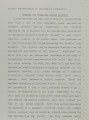
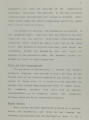
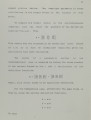
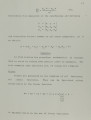
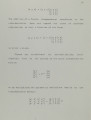
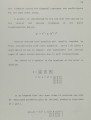
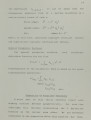
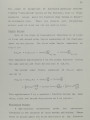
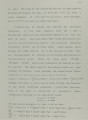
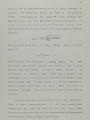
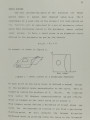
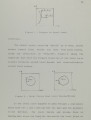
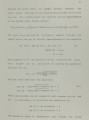
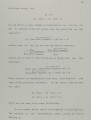
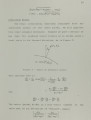
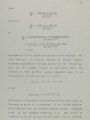
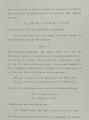
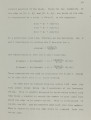
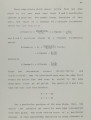
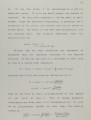
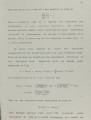
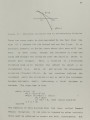
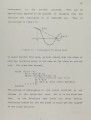
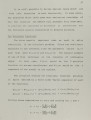
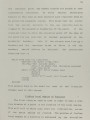
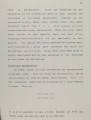
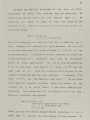
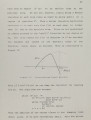
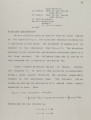
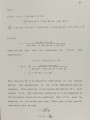
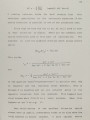
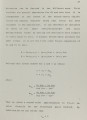
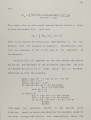
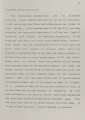
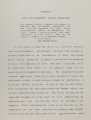
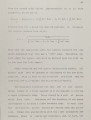
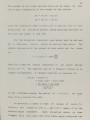
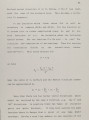
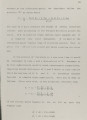
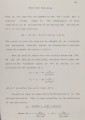
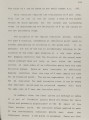
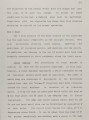
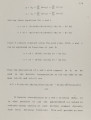
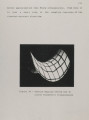
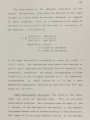
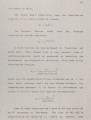
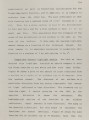
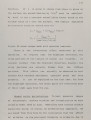
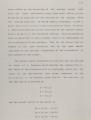
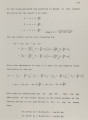
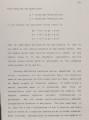
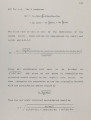
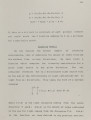
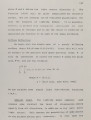
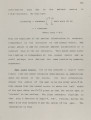
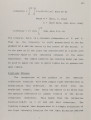
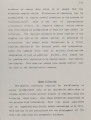
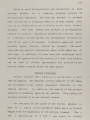
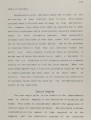
Show 21 is zero. The sign of the second derivative is then used to distinguish between the two. If f'=O and f">O we have a local minimum; if f'=O and f"<O we have a local maximum, and if f'=f"=O we have an inflection point. A similar set of points are defined for bivariate functions. In this case, however, both the u and v derivatives (which we will henceforth denote as Fu and Fv) must be zero. Locations where both these derivatives are zero are called stationary points. For bivariate functions stationary points are of three types: local maxima, local minima, and saddle points. As in the univariate case, they are distinguished by looking at the second derivatives at the stationary point. There are three such: Q2F/V1 which will henceforth be denoted as Fuu, Fuv and Fvv. The three types of stationary points are then defined as follows. First consider the second order Taylor expansion at the stationary point where Fu=Fv=O. 1 2 1 ( 2 F(u,v) = F(uo,vo) + 2(u-uo) Fuu + (u-uo) (v-vo)Fuv + 2 v-vo) F Through this point a slice can be taken through the function in any given direction producing a univariate function. This is the same as converting to parametric polar coordinate5 centered at the stationary point. (u+u s ) (v-vo) r sine· r cose The univariate parameter is then r and we have F(r) F(uo,vo) + v2 (!sin 2 e Fuu + sine cose 1 2 Fuv + '2cos2e Fvv) aF ar r(sin2e Fuu + 2sine cose Fuv + cos2e Fvv) sin2e Fuu 2sine dr 2 + cose Fuv + cos2e Fvv |