| OCR Text |
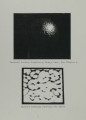
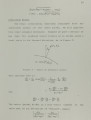
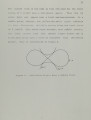
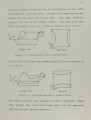
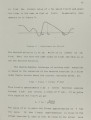
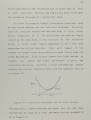
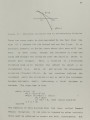
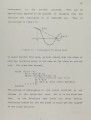
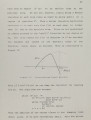
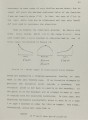
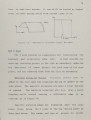
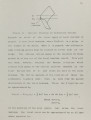
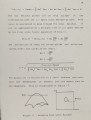
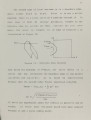
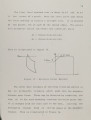
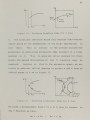
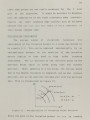
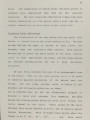
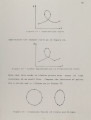
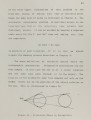
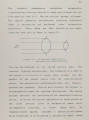
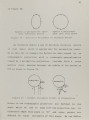
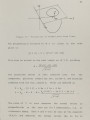
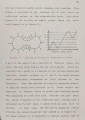
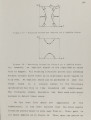
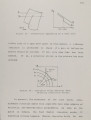
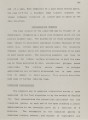
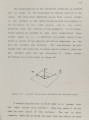
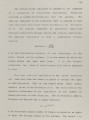
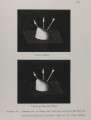
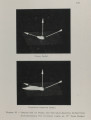
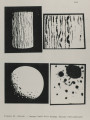
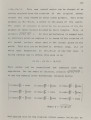
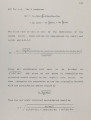
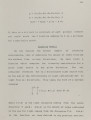
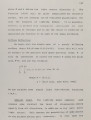
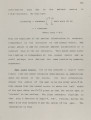
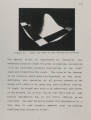
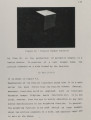
Show 103 crawls off a patch boundary a new boundary edge tracker is suspected. The location of the suspected new point is found by a half interval search tangent to the level curve. Then the u,v position of this point is compared with the other points in the dangling lists. If a match is found, both in u,v and point type then the two dangling spans are joined together. If no match is found, the new iteration point is created and link@d onto the dangling span. The level curve crawl is then resumed from this new point unless the new point was a boundary edge tracker. All broken level curves are repaired in this manner, creating any intermediate, new iteration points that are necessary. This process, though slow, only needs to be done as the scan plane passes singularities such as saddle points. In the above example of a saddle point, the repaired curves would appear as in figure 34. The extremely conservative nature of this iteration causes it to succeed in finding iteration points even in those perverse cases where the Newton iteration fails to find an existing point. Thus whenever some suspicious situation occurs sideways iteration 'can be in the normal iteration, the c a l l ed upon to en sur e that interesting things are not being missed. One example-of this is the case where a cross section curve develops an indentation in going from one scan line to the next, as shown in figure 35. Here, the indentation requires the creation of two new inflection point trackers and perhaps some new intermediate iteration points. There |