| OCR Text |
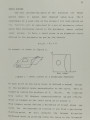
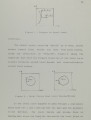
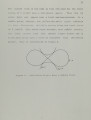
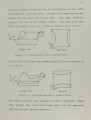
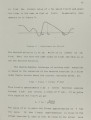
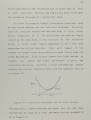
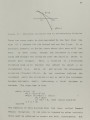
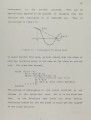
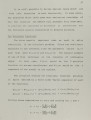
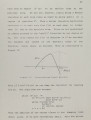
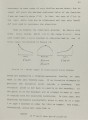
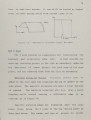
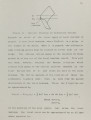
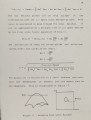
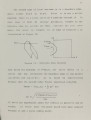
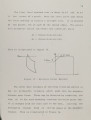
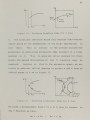
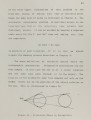
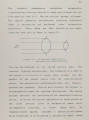
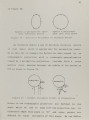
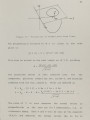
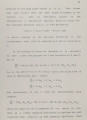
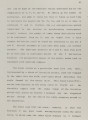
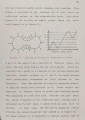
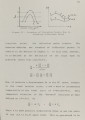
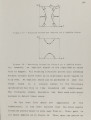
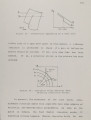
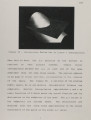
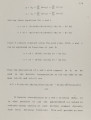
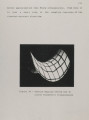
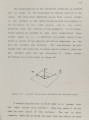
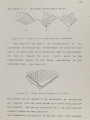
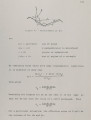
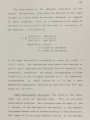
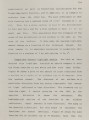
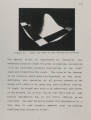
Show 36 the observers eyepoint and a line of constant Y on the screen) generates a planar section through this space. All surfaces which intersect this plane are potentially visible on the scan lIne. Their intersectons with the' scan plane drops below a local maximum of one of the surfaces. and a appear as straight or curved lines. Next, a scan ray (defined in the scan plane and passing through the observers eyepoint and a given X position on the screen) generates a linear section through the scan plane. All curves which intersect this line are potentially visible at this picture element. Their intersection with the scan ray are points on the surface which can be compared in Z for actual visibility. In the outer loop, the Y scan, the program maintains a list of "active" curves, those which represent the intersection of the surfaces with the current postion of the scan plane. When the plane moves down one scan line, the active curve list is updated to reflect the new state of the intersections. A curve is added to the list when the plane curve is removed from the list when the plane drops below a local minimum. The descriptions of the remaining curves are then updated to correspond with their new shape at the current intersection position. In the inner loop, the X scan, the algorithm moves the scan beam across the plane from left to right. As it does this it maintains a similar list of intersection points, |