| OCR Text |
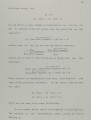
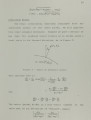
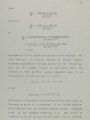
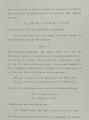
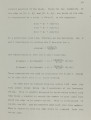
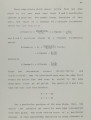
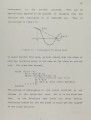
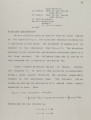
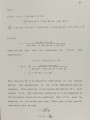
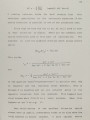
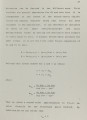
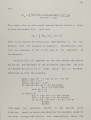
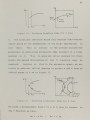
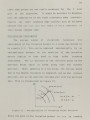
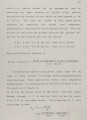
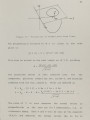
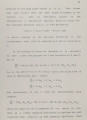
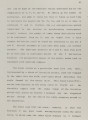
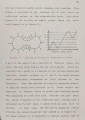
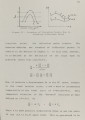
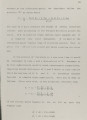
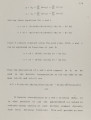
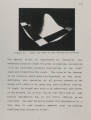
Show 69 increment until this is so. The constrained optimization case for bivariate functions is more complicated than for univariate functions. In the univariate case there were effectively two kinds of local maxima: strict maxima where f'=O and f"<O, and edge maxima at the constraint edges where f'j 0 but the "uphill" direction lead outside the constraint boundaries. In the bivariate case there are strict local maxima where Fu=Fv=O. There might also be maxima where Fu::/:- 0 or Fv40 (but not both). This only happens on boundary edges where the gradient is perpendicular to the edge and points outside it. Thirdly there may be corner maxima where Fu..:;#O and Fv:::;t:O. These occur at corners where the gradient points outside both boundary edges of the parameter region. The edge and corner maxima are detected in much the same way as for the univariate case, at the clipping stage of the iteration on that edge then an edge maximum is suspected. We then update. Here the new guess (u+du,v+dv) is tested against the boundary edges, and, if it crosses an edge, is clipped. If it crosses an edge and the current location of (u,v) is must re-compute a new guess at (du,dv) based upon maximizing the univariate function formed by the boundary edge. This new guess must then be re-tested against the other edge. If it now crosses this one, a corner maximum is declared. |