| OCR Text |
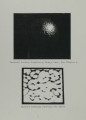
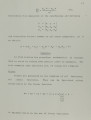
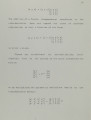
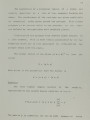
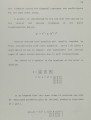
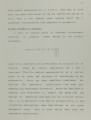
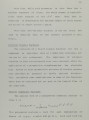
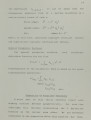
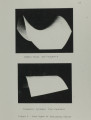
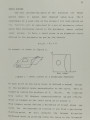
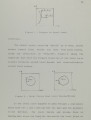
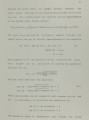
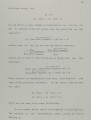
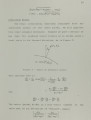
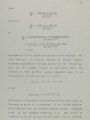
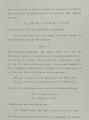
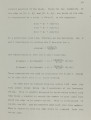
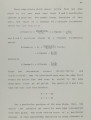
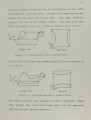
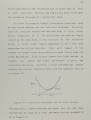
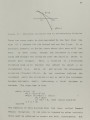
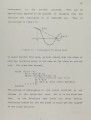
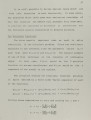
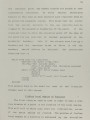
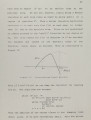
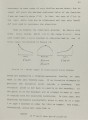
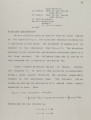
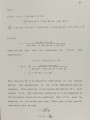
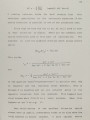
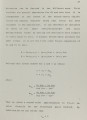
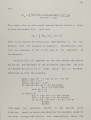
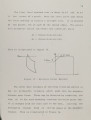
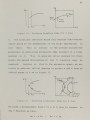
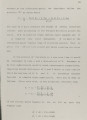
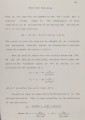
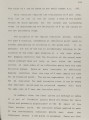
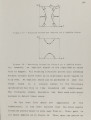
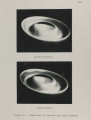
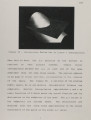
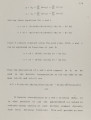
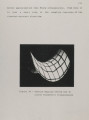
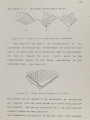
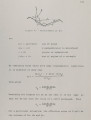
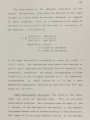
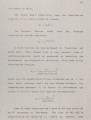
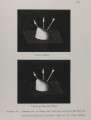
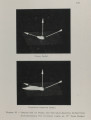
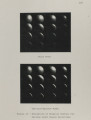
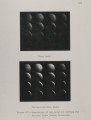
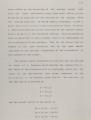
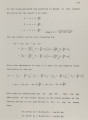
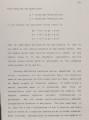
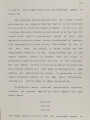
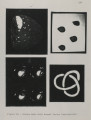
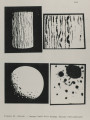
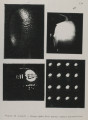
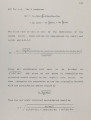
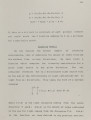
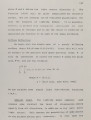
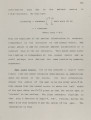
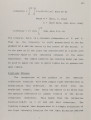
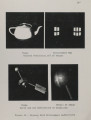
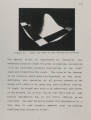
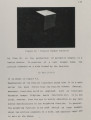
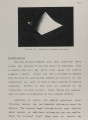
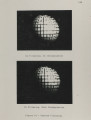
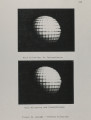
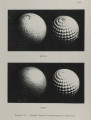
Show 136 Fu and Fv. Some images made with this technique appear in figure 49. One potential dissatisfaction with the normal. vector perturbation as shown is the fact that it is not invariant on the scale at which the object is drawn. In th X, Y, and Z surface definition functions are scaled up by two then the normal vector length is scaled by a factor of four. The amounts by which the normal vector is perturbed is, however, only increased by a factor of two. This effect is due to the fact that the object is being scaled but the displacement function F is not. Scale changes due to the object moving nearer or farther from the viewer in perspective space do not affect the size of the wrinkles. The net effect of this is that as an object is scaled up, the wrinkles flatten out. This might be desirable for some effects but undesirable for others. In particular it will affect different regions of the same patch differently, causing e.g. shorter edges to appear puckered up. To generate a scale invariant perturbation function, consider the process applied to a flat, square, unit area patch, where X(u,v)=u Y(u,v)=v Z(u,v)=O The normal vector is (0,0,1) and the perturbed normal is |