| OCR Text |
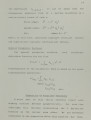
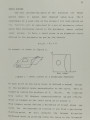
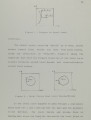
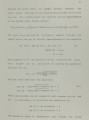
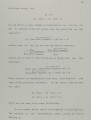
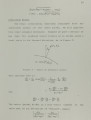
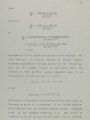
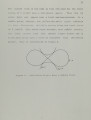
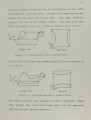
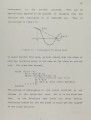
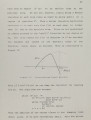
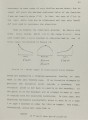
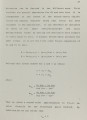
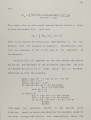
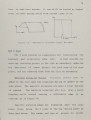
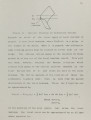
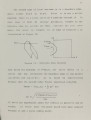
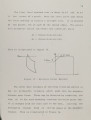
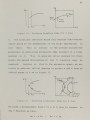
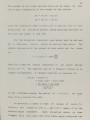
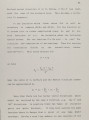
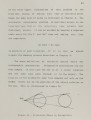
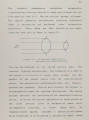
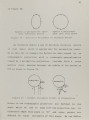
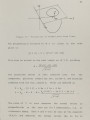
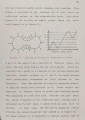
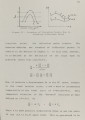
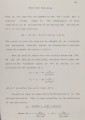
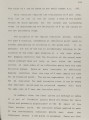
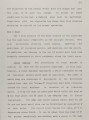
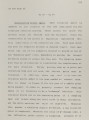
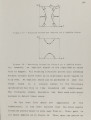
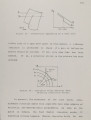
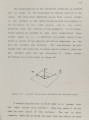
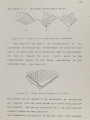
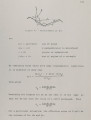
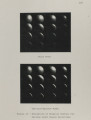
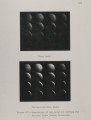
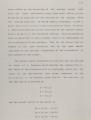
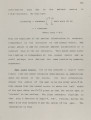
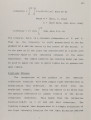
Show 119 the standard deviation for the distribution and is a property of the surface being modelled. Large values yield dull surfaces and small values yield shiny surfaces. We are interested in the number of facets pointing in the direction. of H so the angle (j. here is co s " (N.H). factor", G. It is a value from 0 to 1 representing the Since the intensity is proportional to the number of facets directed parallel to H, we must take into account the fact that more of the total surface area shows through a picture element when that surface is tilted. The increase in area is inversely proportional to the cosine of the angle of tilt. The tilt angle is the angle between the average surface normal, N, and the eye, E. This explains the division by (N.E) above. Counteracting this effect is the fact that some of the facets shadow each other. The degree to which this shadowing occurs is called the "geometrical attenuation proportionate amount.of light remaining after the masking or shadowing has taken place. Calculation of G assumes that the micro facets exist in the form of V shaped grooves with the sides at equal but opposite angles to the average surface normal. We are interested only in grooves where one of the sides points in the specular direction H. For differing positions of the light source and eye position, we can have one of three cases shown in figure 41. Note that the vectors Land E do not necessarily lie in the plane of |