| OCR Text |
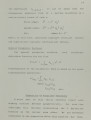
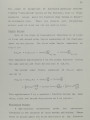
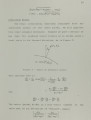
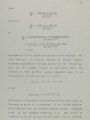
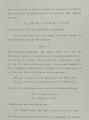
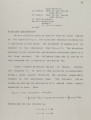
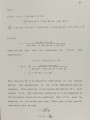
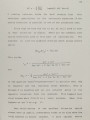
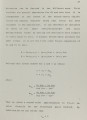
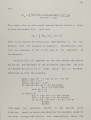
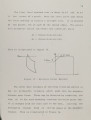
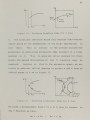
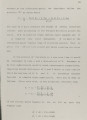
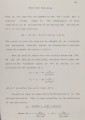
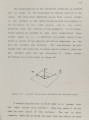
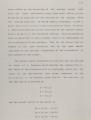
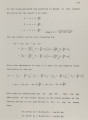
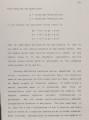
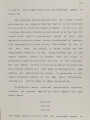
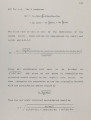
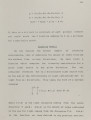
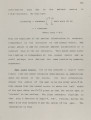
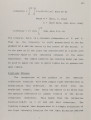
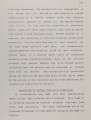
Show 58 bad as a nonzero value of G of the same magnitude. If the We thus have an increment to add to each of ua and va to get ul and vI, a better approximation to the solution we are seeking. Tests to make sure we are conveLging are similar to those in the univariate case. Here the theoretical convergence criterion is more complicated and impractical for evaluation at- each iteration. We can instead use the quantity F2+G2 as a measure of the amount we deviate from the solution. This assumes that the functions F and G are scaled so that their termination limits, E , are the same. A nonzero value of F of a certain magnitude is then about as value of F2+G2 grows larger at a particular iteration step we employ the same damping process of halving the increments of u and v. The tests to ensure convergence to the correct solution will be discus$ed in Chapter 5. Constrained Iteration The boundary edges of parametric surfaces are defined in terms of limits on the paramter values. Typically these limits are for the values of u and v to be between a and 1. If this is the case, we are not interested in solutions which lie outside these limits. If a solution genuinely lies outside the parameter limits, the iteration process should perform a failure return in the same manner as it does if it discovers a local minimum. It might be the case however, that the desired solution is inside the limits but |