| OCR Text |
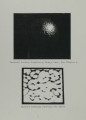
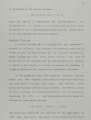
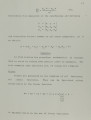
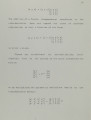
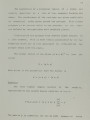
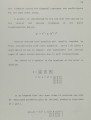
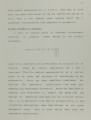
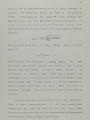
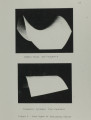
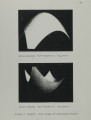
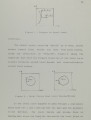
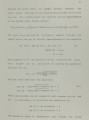
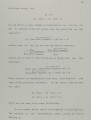
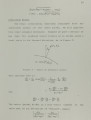
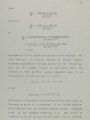
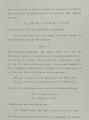
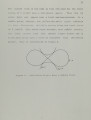
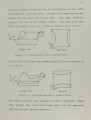
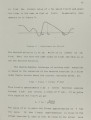
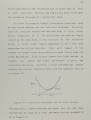
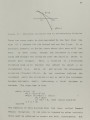
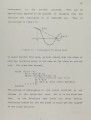
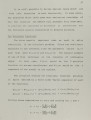
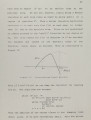
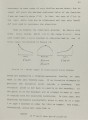
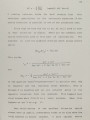
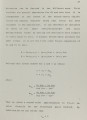
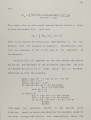
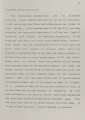
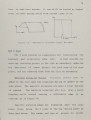
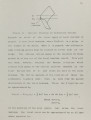
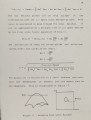
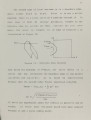
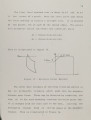
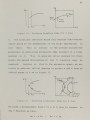
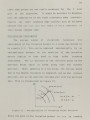
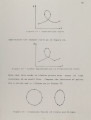
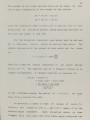
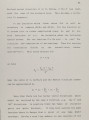
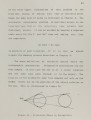
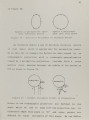
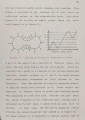
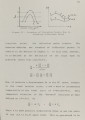
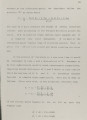
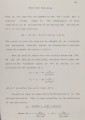
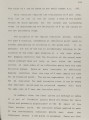
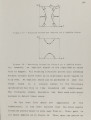
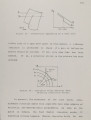
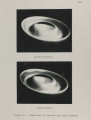
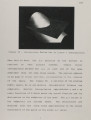
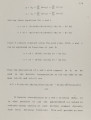
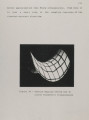
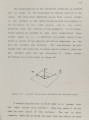
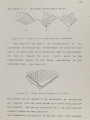
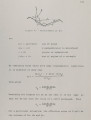
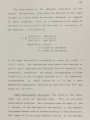
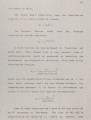
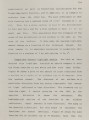
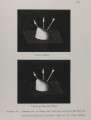
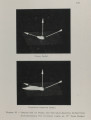
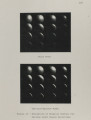
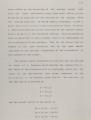
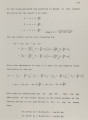
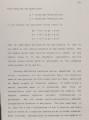
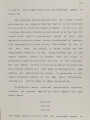
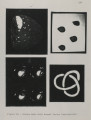
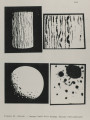
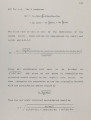
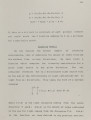
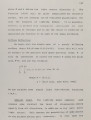
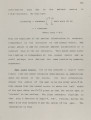
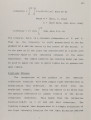
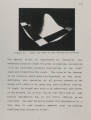
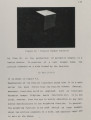
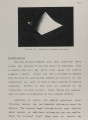
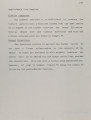
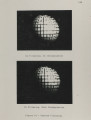
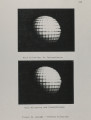
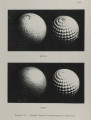
Show 22 Since at r=O we have of/or=O we are at a local maximum or minimum. To determine which, we look at the value of F/er. This varies as the angle {7 turns through 360 degrees, i.e., as the direction of our slice varies. It could in fact, equal zero for some direction. We can find this direction by solving F/or =0 by the quadratic formula yielding tanS -FUV±UV2_FUUFVV Fuu This feature characterizes a saddle point. For some This has real solutions (so that a F /r passes through zero) if Fuvl.-FuuFvv > 0 directions the slice through the function has a local maximum and for others it has a local minimum. If Fuv2-FuuFvv is negative then F/r has a constant sign independent of t. For this to be the case Fuu and Fvv must have the same sign. Finally, there is a fourth, degenerate, case in which Fuv2-FuuFvv is zero. This is called a parabolic cylinder. We then have four cases illustrated in figure 1. There is one extra case which has not been mentioned. That is where Fuu=Fuv=Fvv=O. If all the second order derivatives are zero as well as all the first order derivatives then the form of the function must be determined by looking at third or higher derivatives |