| OCR Text |
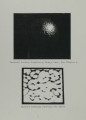
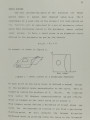
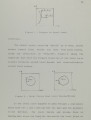
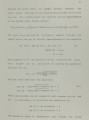
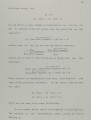
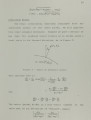
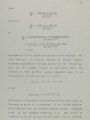
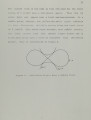
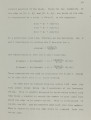
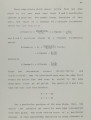
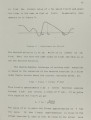
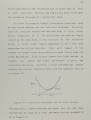
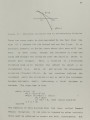
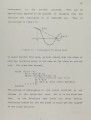
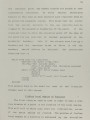
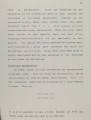
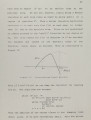
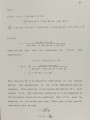
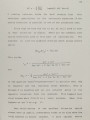
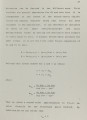
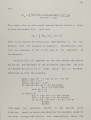
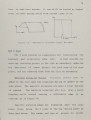
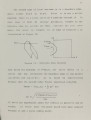
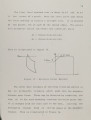
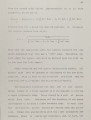
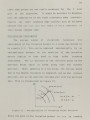
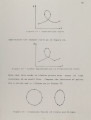
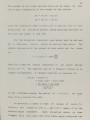
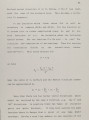
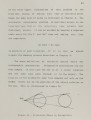
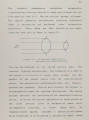
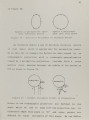
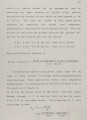
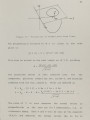
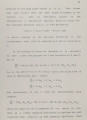
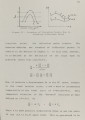
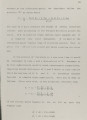
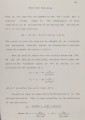
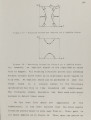
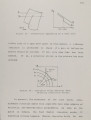
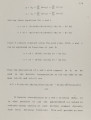
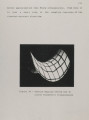
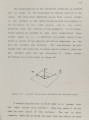
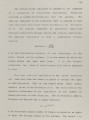
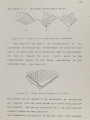
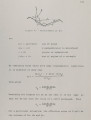
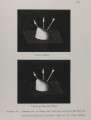
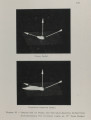
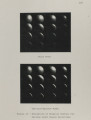
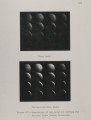
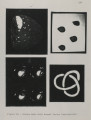
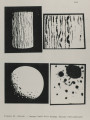
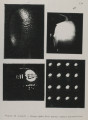
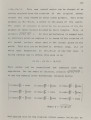
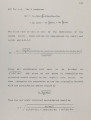
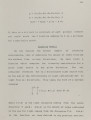
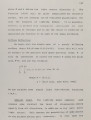
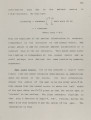
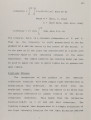
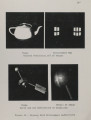
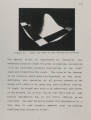
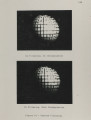
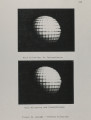
Show 150 one cycle per two picture elements. Even if only large objects are being drawn a spectral decomposition of the image shows that it contains some high spatial frequency content, notably due to regions where the intensity changes rapidly, such as at edges. "Aliasing" refers to the result of sampling a signal containing frequencies higher than the displayable limit. The high spatial frequencies re-appear under the alias of displayable, frequencies intact. The theory of digital low spatial frequencies. This situation manifests itself visually as Moire patterns, staircase edges, fine detail blinking on and off as it moves, etc. Spatial Filtering To avoid aliasing, the continuous function to be displayed must be spatially filtered to remove the spatial frequencies which are too high to be represeritable on the given grid size. Spatial filtering takes the form of a weighted average of the function values (intensities) in the vicinity of the picture element. The ideal spatial filter to use would have the property of completely eliminating the frequencies which are too high while leaving the lower, signal processing tells us that such a filter would correspond to a weighting function of sin(2nX} sin(2nY) X Y This is illustrated in figure 51. |