| OCR Text |
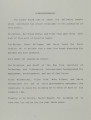
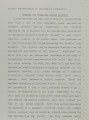
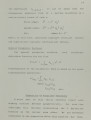
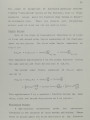
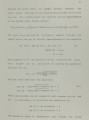
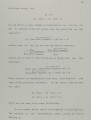
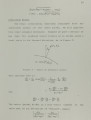
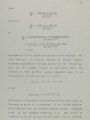
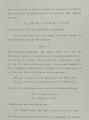
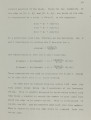
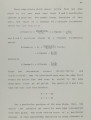
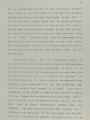
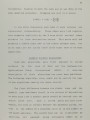
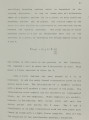
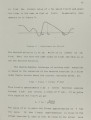
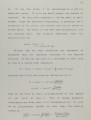
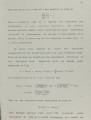
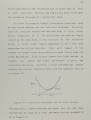
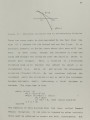
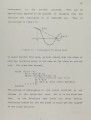
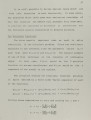
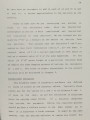
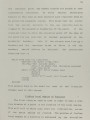
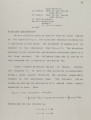
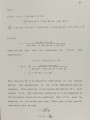
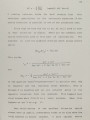
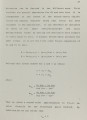
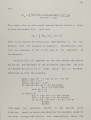
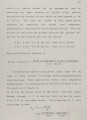
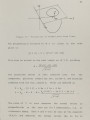
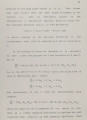
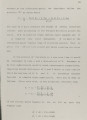
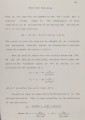
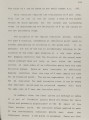
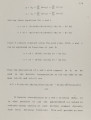
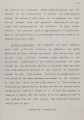
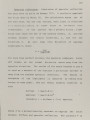
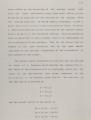
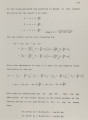
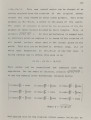
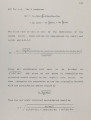
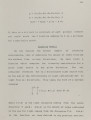
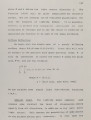
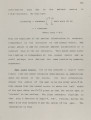
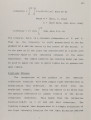
Show 31 When the Hessian is zero the radius of curvature is infinite and we have an inflection point. In actuality the simpler function H Fu2 Fvv - 2 Fu Fv Fuv + Fv2 Fuu n can be used if only the sign of H is required. For a given function F(u,v) there is a curve formed in the parameter space by the equation H (F) = 0 n This curve will intersect any level curve of F at its inflection points. In addition, at stationary points of F, Fu=Fv=O and Hn is zero. This means that stationary points lie on the inflection point curve. To see what happens in their immediate neighborhood we expand the derivatives of F in their own first order Taylor series and get: Fu(u,v) Fu(uo,vo) + du Fuu(uo,vo) + dv Fuv(uo,vo) Fv(u,v) Fv(uo,vo) + du Fuv(uo,vo) + dv Fvv(uo,vo) If uO,vO is a stationary point Fu(uO,vO)=Fv(uO,vO)=O and Fu du Fuu + dv Fuv Fv du Fuv + dv Fvv Substituting this into Hn we get Hn = (FuuFvv-Fuv2) (du2 Fuu + 2 du dv Fuv + dv2 Fvv) The first term of this expression is independant of (du,dv). |