| OCR Text |
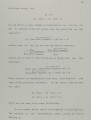
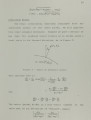
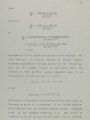
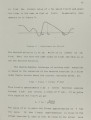
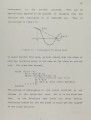
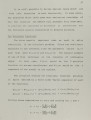
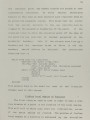
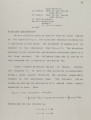
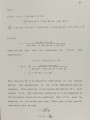
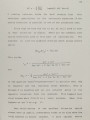
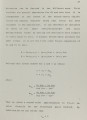
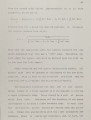
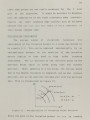
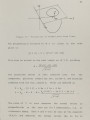
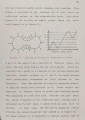
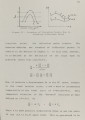
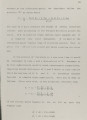
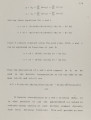
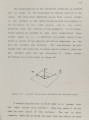
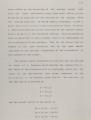
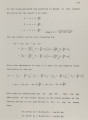
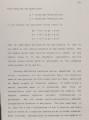
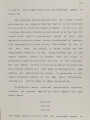
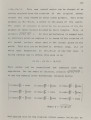
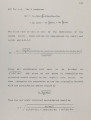
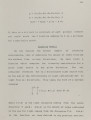
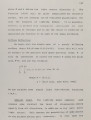
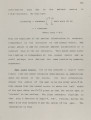
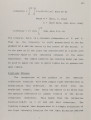
Show 35 Z(X,Y) = aX + SY + y where a = -ale S -b/e y -die assuming c 1= 0, in which case the plane is parallel to the Z ax is. However, having computed the Z coordinate at X and Y we can find the Z at the neighboring element (X+l,Y) with only one addition Z(X+l,Y) Z(X,Y) + a Scan line based algorithms are a mechanism designed to organize this ncremental computation. The use of such incremental computations (either in data structure or positonal values) is sometimes referred to as utilizing coherence in the picture. In examining a scanline algorithm built around a particular surface definition form it is necessary to separate its components into two categories: those which are specific to the form of surface definition and those which are implicit in the concept of a scan line algorithm. We will attempt here to extract those aspects of scan line algorithms which are independent of representation. Basically a scan line algorithm can be thought of as a sequence of successive reductions in the dimensionality of the problem. The surfaces to be drawn are originally represented in three dimensions. A scan plane (defined by |