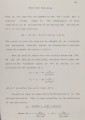
| OCR Text |
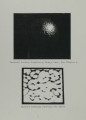
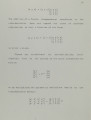
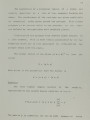
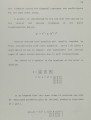
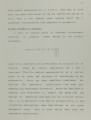
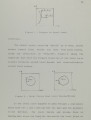
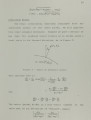
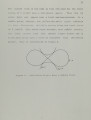
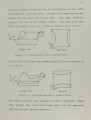
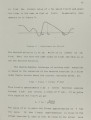
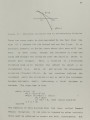
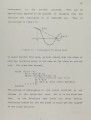
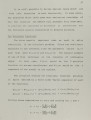
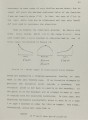
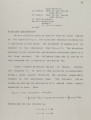
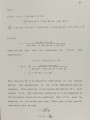
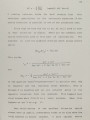
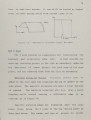
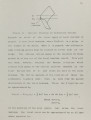
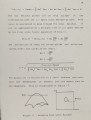
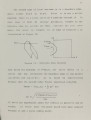
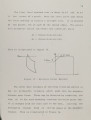
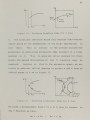
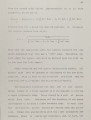
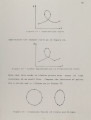
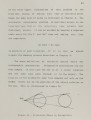
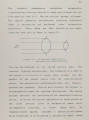
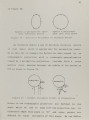
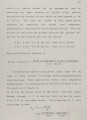
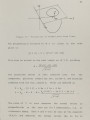
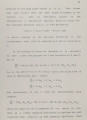
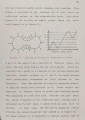
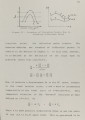
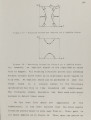
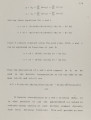
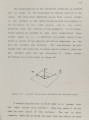
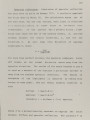
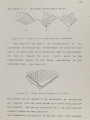
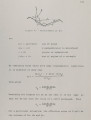
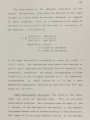
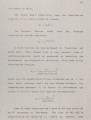
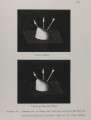
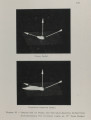
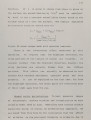
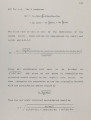
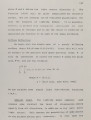
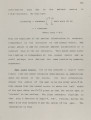
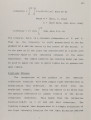
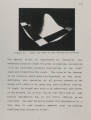
Show 102 as the sign of Tu Sv - Su Tv Reconnecting broken spans. Each iteration point is updated to its location on the new scan plane via the bivariate iteration process. Those points for which the process fails are deleted from the structure. Since the connectivity of the points is explicitly represented this will leave holes in the connectivity list. Each span which has both its endpoints deleted is deleted itself. Each span which has one of its endpoints deleted. is placed on one of two "dangling span" lists, depending on whether the forward direction leaves or enters the free end. The dangling spans must then be re-connected to reestablish the completeness of the data structure. Merely picking them up in pairs and connecting them will not work, the correct pairs must be connected. In addition, there may need to be some new iteration points added to the span needed to connect them. This is shown in figure 33 for the case of a saddle point being passed. In order to properly connect the dangling spans it is necessary to do a "sideways" iteration. This iteration starts out at the remaining point of a dangling span and crawls along the level curve in small increments, all the while watching the value of atan(T/S). Whenever this passes a tabulated angular direction, a new iteration point is suspected. Whenever the value of changes sign, a new inflection point tracker is suspected. Likewise if it |