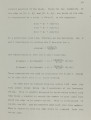
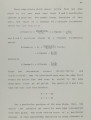
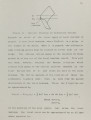
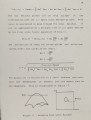
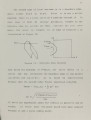
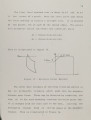
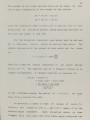
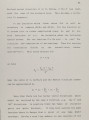
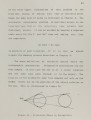
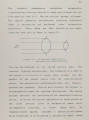
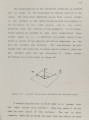
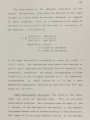
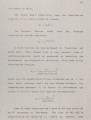
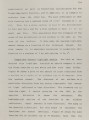
| OCR Text |
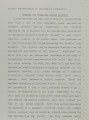
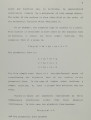
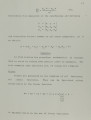
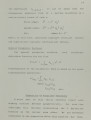
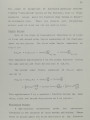
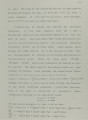
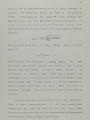
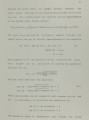
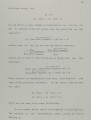
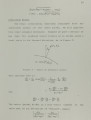
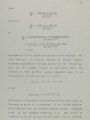
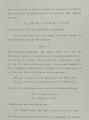
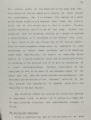
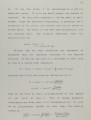
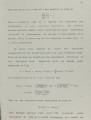
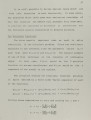
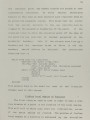
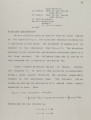
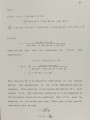
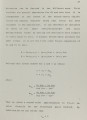
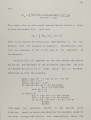
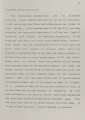
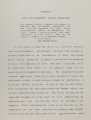
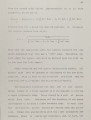
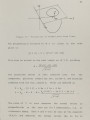
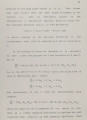
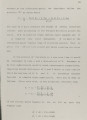
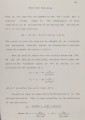
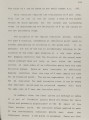
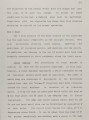
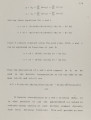
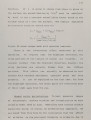
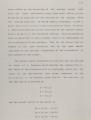
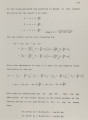
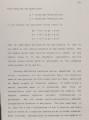
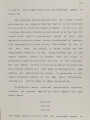
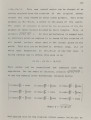
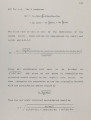
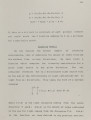
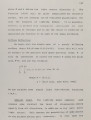
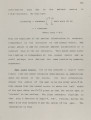
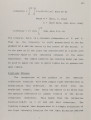
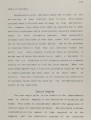
Show A2 (l-COS) + C . AB B . (l-cos)j57 + cos Dsn (l-cOS)j57 - Dsn AB C . B2 (l-COS) + A . (l-cos)j57 - Dsn (l-cOS)j57 + cos i5sn (l-cos):fA5C7 B , BC A. (l-COS) + Dsn (l-cOS)j57 - Dsn + cosq, where D IA2+B2+C2 140 (-Fu,-Fv,I). This new normal vector can be thought of as having resulted from the rotation of the original normal around the axis formed by their cross product. This cross product is (Fv,-Fu,O), a vector in the plane of the patch. The angle of rotation is given by the arccosine of the dot product of these vectors divided by their lengths. This is arcos (1/ -Vl+Fu2. +Fv2. ). As this perturbation is mapped onto an arbitrary patch we express it in terms of the rotation of all normal vectors about axes in the (local) plane of the patch. This axis can be defined in several ways, all of which must degererate to (Fv,-Fu,O) in the flat case. A fairly natural way to define this axis is as Fv Pu - Fu Pv (A,B,C) This vector can be normallized and combined with the expre ss ion for the angle of rotat ion, ar cos (1/ "1 +Fu2. +FvZ. to get the general three dimensional rotation matrix Multiplying this by the original normal vector (Xn,Yn,Zn) we |