| OCR Text |
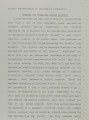
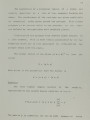
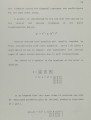
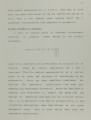
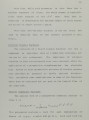
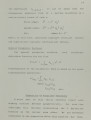
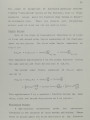
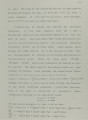
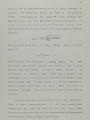
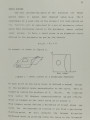
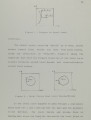
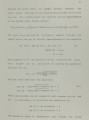
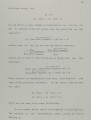
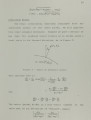
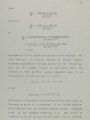
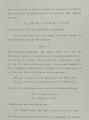
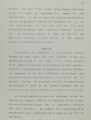
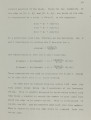
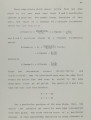
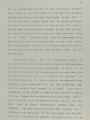
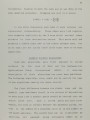
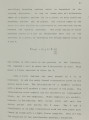
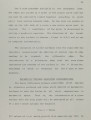
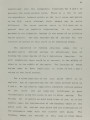
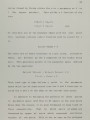
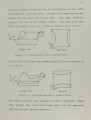
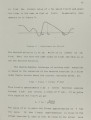
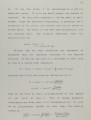
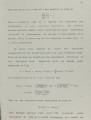
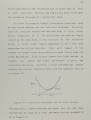
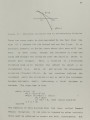
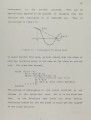
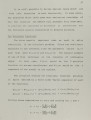
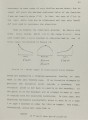
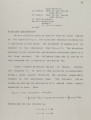
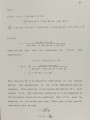
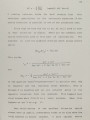
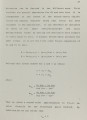
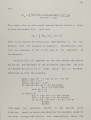
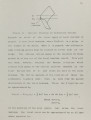
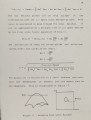
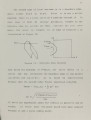
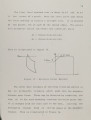
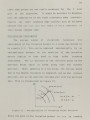
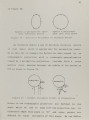
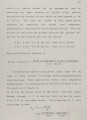
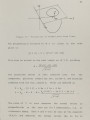
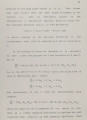
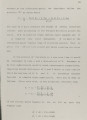
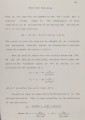
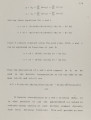
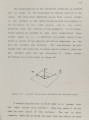
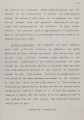
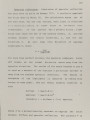
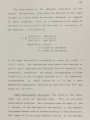
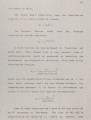
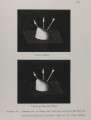
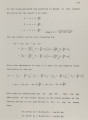
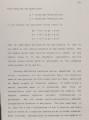
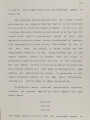
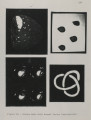
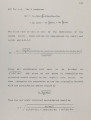
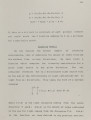
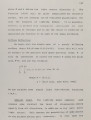
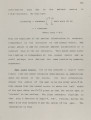
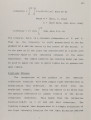
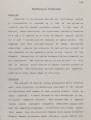
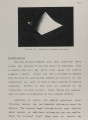
Show 145 intensity 7T/2 27T f. f 1(</» (N.L(e,</») sin</> de d</> o 0 L (sina., 0, cos o ] (sine sin</> , cose sin</> , cos</» where N intensity 7T/2 27T cosa. f cos</> sin</> 1(</» d</> o The integral, here, is a constant independant of Nand L. That is, the intensity is still proportional to the dot product of N and the vector to the center of the source. It is the same as if the light was concentrated at a point with intensity equal to the remaining integral in the above expression. The simple Lamberts law lighting model can then be said to apply not only to point lights but to symmetrical spot lights. Highlight Effects The integration of the product of the specular reflection function with even simple light distrbutions is analytically very difficult. We can state only one analytical result, that where the object is so shiny that the specular reflection is almost totally in the mirror reflection direction. This means that the reflection function R(e,) is 1 if N=H and zero otherwise. The lighting integral then degenerates to a simple evaluation of the light intensity function for the light direction defined |