| OCR Text |
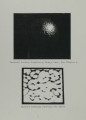
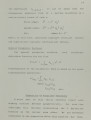
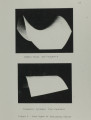
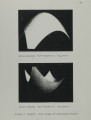
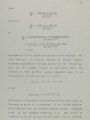
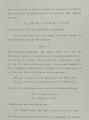
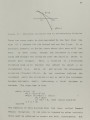
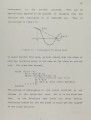
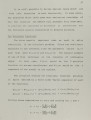
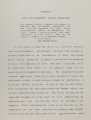
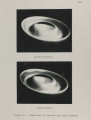
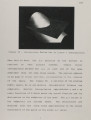
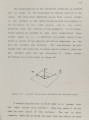
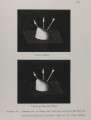
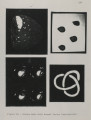
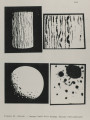
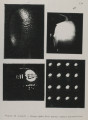
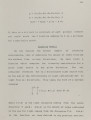
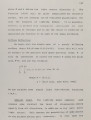
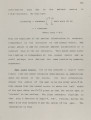
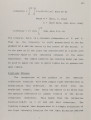
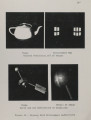
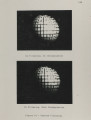
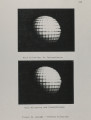
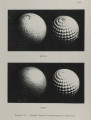
Show 130 This section will describe methods of avoiding this. They are based on a technique due to Catmull [4] which has become known as "texture mapping". This involves making some properties of the surface be functions of the parameters u and v. Such a process keys the pattern to the surface so that it rotates and translates with it. Pigment texture patterns. Catmull's original idea was to make the color of the object a function of the texture pattern T(u,v). Thus when the intensity of a pixel is computed, the diffuse component is scaled by the texture function while the specular component is unaffected. This produces the rather pleasing effect of having the specular component wash out the texturing in areas where highlights occur. For mapping colored images on the surface, there must be three texturing functions R(u,v), G(u,v), B(u,v). This technique is good for simulating patterns painted on the surface which themselves have no depth. If we attempt to simulate a roughened surface by making the texture function be a photograph of a roughened surface, the effect is not convincing because the lighting effects on the surface do not change appropriately with changing viewpoint or lighting. For this effect we ,must turn to one of the following. Specular textures. The simplest effect to try is to make the surface roughness, as defined by the parameter c in the Torrance Sparrow model, be a function of some texturing |